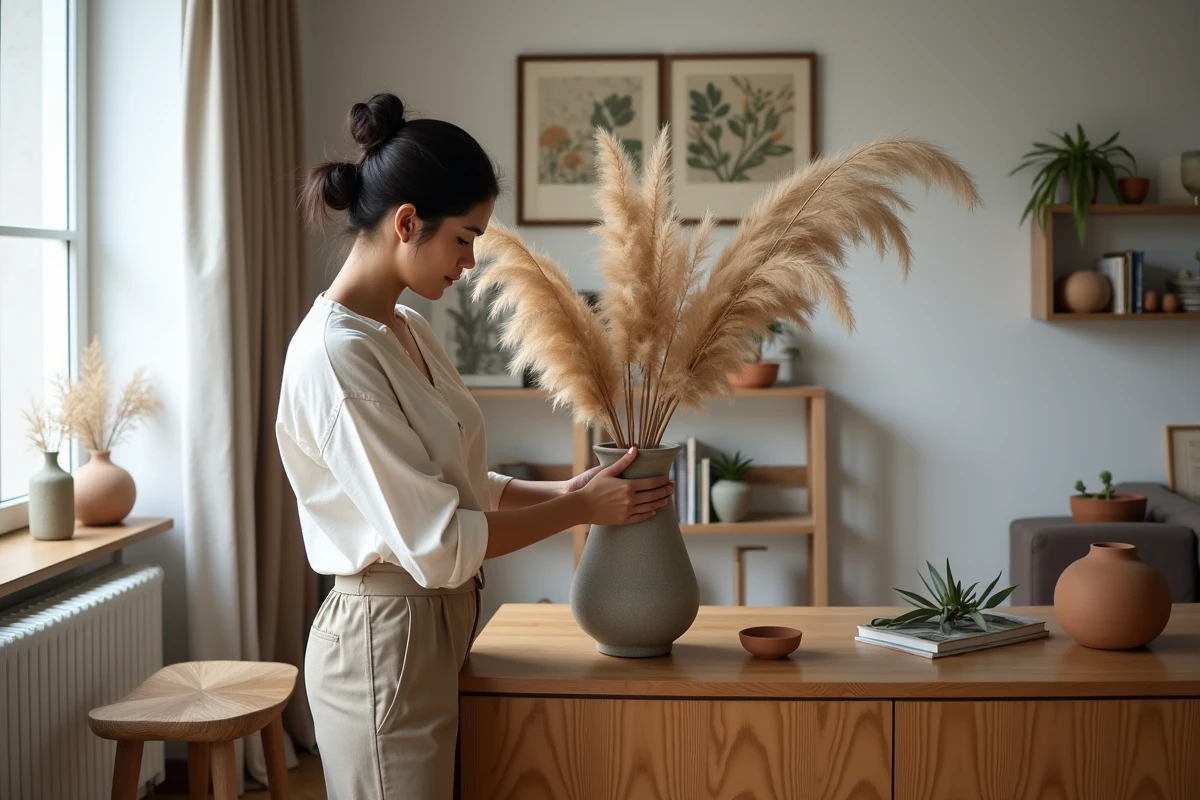
A wall that cannot be pierced, a floor that cannot be sanded, a lease that prohibits painting: most tenants in old buildings are familiar with these constraints. However, transforming your interior with creativity and style is still possible, as long as you choose reversible solutions and focus on the right visual levers.
Reversible decorating tips for tenants in old buildings
Residential leases generally require the tenant to return the property to its original condition. Co-ownership regulations sometimes add restrictions on the interior facades of windows or visible common areas. These constraints automatically eliminate wall painting, shelves fixed with heavy dowels, and changes to flooring.
The good news is that the market has caught up with this need. Adhesive strips can now support frames and mirrors of respectable size without leaving a trace. Repositionable wallpapers, known as “peel and stick,” allow you to create an accent wall in a living room or bedroom, and then remove everything upon moving out.
Have you noticed that the moldings and cornices of old buildings naturally capture light? Instead of hiding them, simply play with them to structure the decor. A frame placed on an existing molding, a string of lights following the cornice: the architectural elements of the past become free decorative supports. To take this idea further, explore the decor section of Univers du Bricolage which details techniques suitable for constrained interiors.
Modular kits in recycled wood versus handmade DIY
According to a furniture market analysis published by Gfk Retail and Technology in April 2026, ready-to-assemble shelf and slatted panel kits in recycled wood outperform handmade DIY creations in durability and time savings, especially in small spaces. This finding is surprising because media trends highlight artisanal DIY.
The difference lies in the precision of industrial cuts and the interlocking systems without screws. A modular slatted panel is fixed by pressure or high-strength adhesive. It can hold plants, frames, or hanging storage, and can then be disassembled without leaving a trace.
When DIY has the advantage
Handmade DIY remains relevant for unique pieces: a concrete vase cast in a homemade mold, a light fixture made from a thrifted object, a customized coffee table. DIY works better for standalone objects than for wall structures. For anything related to vertical storage or lightweight partitions, modular kits offer superior finish and sturdiness.
- Recycled wood slatted kits can be assembled without heavy tools and removed cleanly, making them suitable for tenants.
- Small DIY projects (plant pots, candle holders, painted frames) allow for personalizing the ambiance without structural commitment.
- Thrifted or revamped accent furniture adds character without altering the building.
Light and textiles: two levers that change the entire atmosphere
Light transforms a room faster than any piece of furniture. Multiplying light sources – table lamps, clip-on wall lights, fairy lights – creates areas of varying intensity within the same space. Three light points are enough to break the monotony of a central ceiling fixture.
Dimmable bulbs allow you to switch from functional lighting during the day to a soft ambiance in the evening. A mirror placed facing a window amplifies natural light and visually enlarges the room, without drilling a single hole if simply placed on the floor against the wall.

Textiles as a quick transformation tool
Changing the curtains, cushions, and throw of a sofa alters the color palette of a living room in an hour. Why choose this over a new piece of furniture? Because textiles are cheaper, easy to store, and allow you to follow the seasons.
A light linen sheer replaces a heavy curtain: the room gains brightness. Corduroy or textured cotton cushion covers add depth. Textiles are the most accessible decor lever for tenants, as they leave no trace and can be transported to the next home.
Colors and decorative accessories to personalize each room
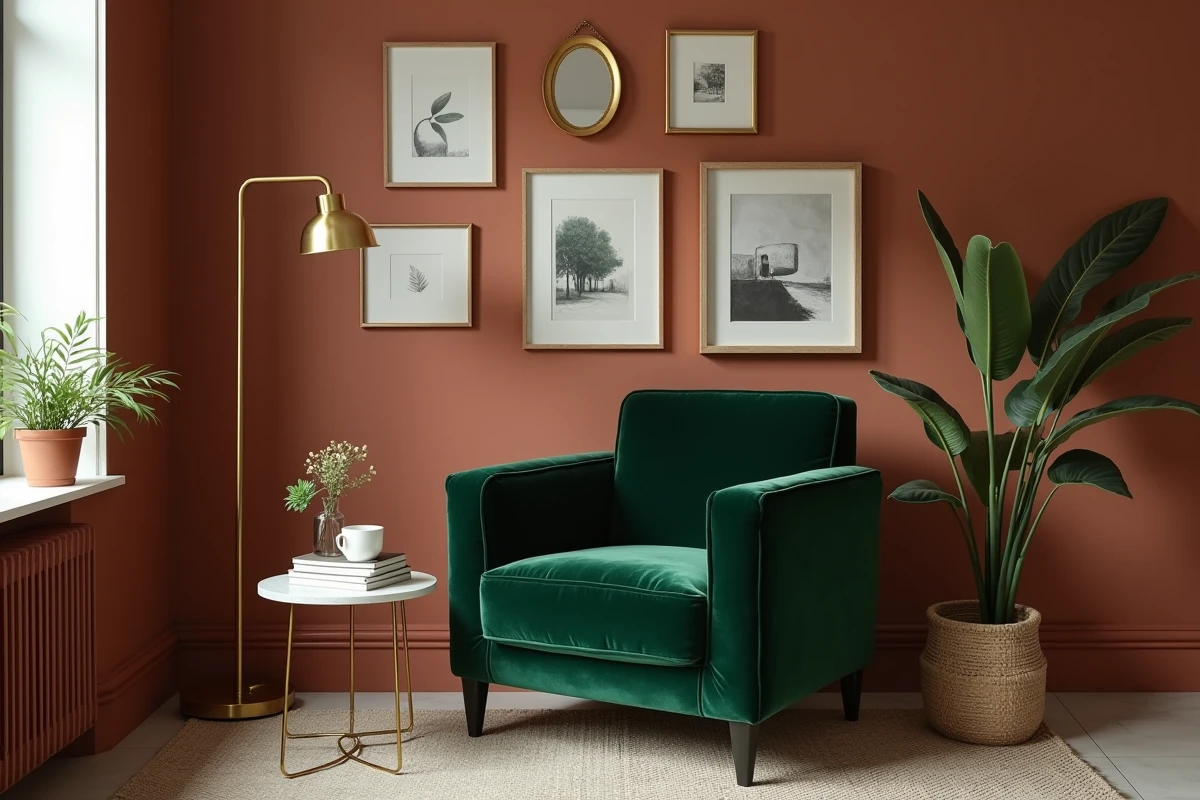
Limiting your palette to two or three colors per room avoids visual overload. A dominant color (walls, large furniture), a secondary color (textiles, rugs), and an accent color (objects, frames) form a coherent base. Warm tones like terracotta or mustard warm up a north-facing living room. Cool colors, blue or aqua green, suit already bright spaces.
When wall painting is prohibited, accessories carry all the color weight. A colorful ceramic vase on a shelf, a geometric patterned rug on the floor, mismatched frames on a windowsill: these elements create a visual identity without touching the walls.
- Raw wood or rattan objects add texture and pair well with most color palettes.
- Green plants function as a living decorative accessory that softens lines and filters light.
- Candles and lanterns create points of warm light that complement the main lighting.
Focusing on strong pieces rather than accumulation
A single standout object, a sculptural lamp or a large antique mirror, draws the eye and structures the decor. Accumulating too many objects on every available surface has the opposite effect: the eye doesn’t know where to settle. Two or three strong pieces per room create a more sophisticated interior than twenty scattered knick-knacks.
The empty space around an object is part of the staging. Allowing a console, buffet, or shelf to breathe adds more value to what is placed on it. This approach works particularly well in old buildings, where the generous volumes of the rooms and the ceiling height deserve to be preserved rather than filled.