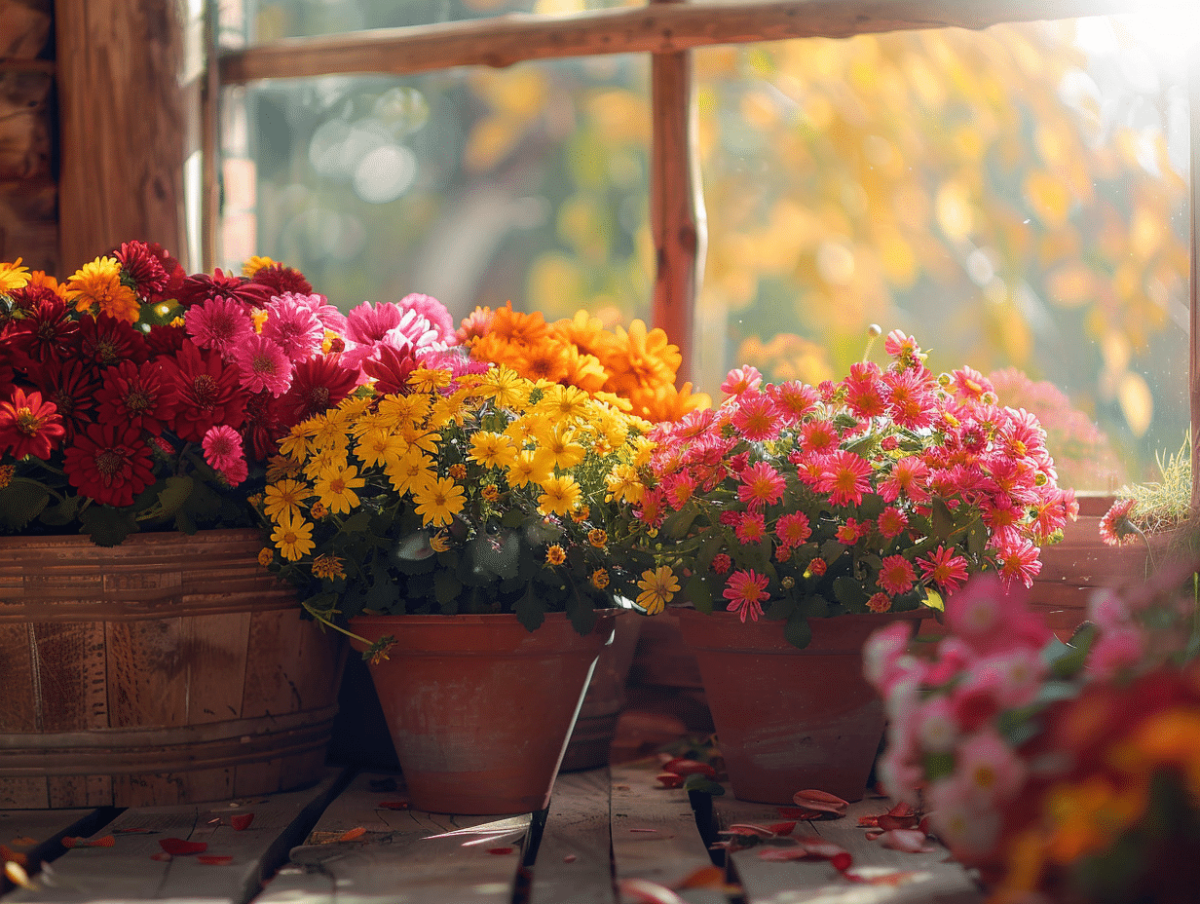
As autumn approaches, gardening and botany enthusiasts turn to their plant protégés to prepare them for the season of falling leaves. The care given to plants during this period is crucial for their survival and flourishing. Temperatures drop, days shorten, and humidity may settle in. These climatic changes influence plant behavior, which requires special attention to maintain their vigor. Chrysanthemums, asters, and evergreen plants thus require appropriate actions to withstand the cold and humidity.
Essentials for Protecting Your Autumn Plants
Indoor Plants: Challenges and Winter Care
Indoor plants face a trifecta of challenges in winter: cold temperatures, dry atmosphere, and low light. Preserve the vitality of these silent beings by adjusting their light exposure, humidifying the surrounding air, and controlling the temperature of their environment. Resist the urge to water according to a summer routine; winter demands reduced frequency, in harmony with the plant’s slowed metabolism.
Tips for the Autumn Garden
Outside, the autumn garden requires a different type of vigilance. Spacing out watering becomes a mantra, while the last repottings must be done with care. Do not neglect a preventive pest treatment to protect your plants from unwanted autumn guests. The wild cyclamen, with its delicate flowers, requires special attention to thrive in this transitional season. Provide more light to your perennial plants to compensate for the decrease in natural sunlight.
The Use of Fertilizer in Autumn
The application of fertilizer should not be overlooked as long as the climate remains mild. Continue to nourish the growth of your plants, taking into account the specific needs of each. Fertilization should accompany the plant’s life cycle without disrupting it, adapting the timing and composition of the fertilizer to the season.
Specific Techniques for Caring for Autumn Plants
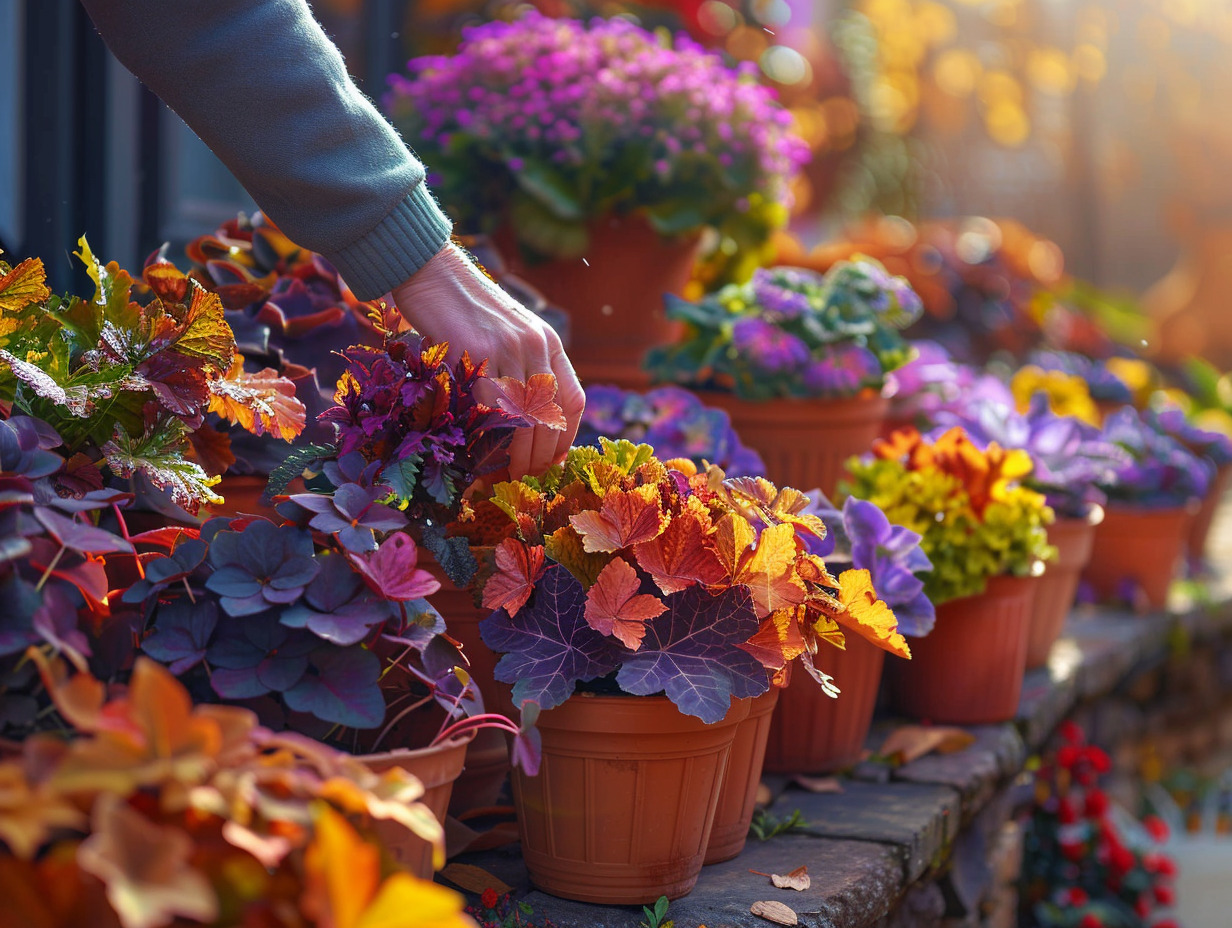
Adapt your maintenance routine to autumn conditions. For indoor plants, reduce winter watering, maximize light, maintain a constant temperature, and suspend fertilization. Avoid repotting in winter, a dormant period for many species. In terms of watering, succulents prefer a monthly frequency, while hardy green plants can manage with weekly or ten-day hydration. As for water-loving plants, they require attention every two weeks or even weekly. Monitoring and preventive treatment for pests remain critical aspects of maintenance. Choose plants suited to your indoor environment and adjust their care based on their health and evolving needs to see them thrive.
Specific Techniques for Caring for Autumn Plants
Optimizing Indoor Plant Care
During the autumn period, indoor plants require increased attention. Watering should be reduced in winter, thus avoiding the risk of root rot in overly moist soil. Overcome the challenges posed by light by finding the brightest spot in your home for your plants, without exposing them to cold drafts. The temperature should remain stable, as sudden fluctuations can be detrimental. As for fertilization, it is suspended during the winter period, resuming with the return of warmer days. Repotting should be avoided in winter, a resting period for many plants.
Pest Control and Necessary Adjustments
Constant monitoring of the health status of your indoor plants is essential, as is a preventive pest treatment to prevent any infestation. Select species suited to your environment to ensure their flourishing. Adjust the care provided according to the specific needs of each plant, keeping in mind that each species has its own requirements for moisture and nutrients. Succulents require little water, once a month in winter is sufficient, while hardy green plants may need weekly or every ten days watering. Water-loving plants should be hydrated weekly or every five to seven days.
Adapting the Maintenance Routine in Autumn
In the garden, autumn imposes a need to revise the maintenance routine of green spaces. Spacing out watering becomes essential to avoid excess water, which can cause fungal diseases due to the cool ambient temperature. The last repottings should be done carefully, choosing appropriate containers to promote good root aeration. Providing additional light is beneficial for perennial plants, which may suffer from reduced sunlight. Applying a preventive pest treatment will keep pests at bay, thus securing the health of your plants until next spring.