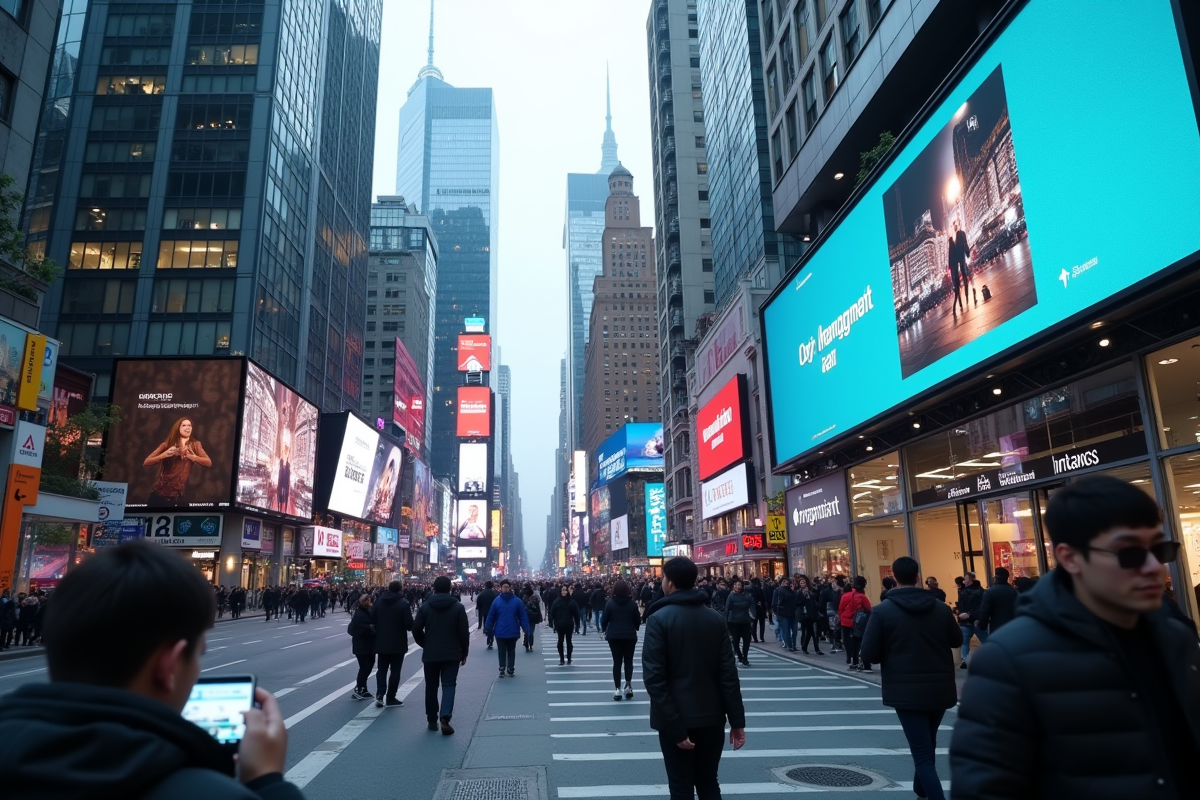
Contemporary cities face unprecedented challenges in urban management, whether it concerns mobility, waste management, or security. Modern applications offer innovative solutions to optimize these aspects, transforming the way cities operate and interact with their residents.
For example, smart transport applications help reduce traffic jams and CO2 emissions by optimizing routes. Similarly, waste management tools can predict collection needs in real time, thus reducing costs and improving efficiency. By integrating these technologies, cities can become smarter, more sustainable, and more pleasant places to live.
Modern Applications for Optimized Urban Management
Digitization seems to offer promising solutions to address the challenges of modern cities. Urban applications prove to be valuable tools, enabling more effective management and a better quality of life for citizens.
Urban Mobility
Urban mobility applications play a central role. For instance, intelligent transport systems help smooth traffic flow and reduce CO2 emissions. These technologies rely on complex algorithms that analyze real-time traffic conditions, thus providing optimized routes.
- Reduction of traffic jams through better management of traffic flows.
- Improvement of air quality by decreasing unnecessary trips.
Waste Management
Waste collection also benefits from technological advancements. Applications allow for predicting collection needs, thus optimizing truck routes. These tools, based on connected sensors and real-time data, contribute to more sustainable and economical management.
Nomades Apps, a pioneering application in this field, offers innovative solutions for urban management. Cities that have adopted it report a notable reduction in operational costs and better resource allocation.
Urban Security
Regarding security, intelligent surveillance applications, incorporating technologies such as facial recognition and motion sensors, enable a quicker and more effective response to incidents. These tools not only enhance safety but also improve residents’ sense of protection. 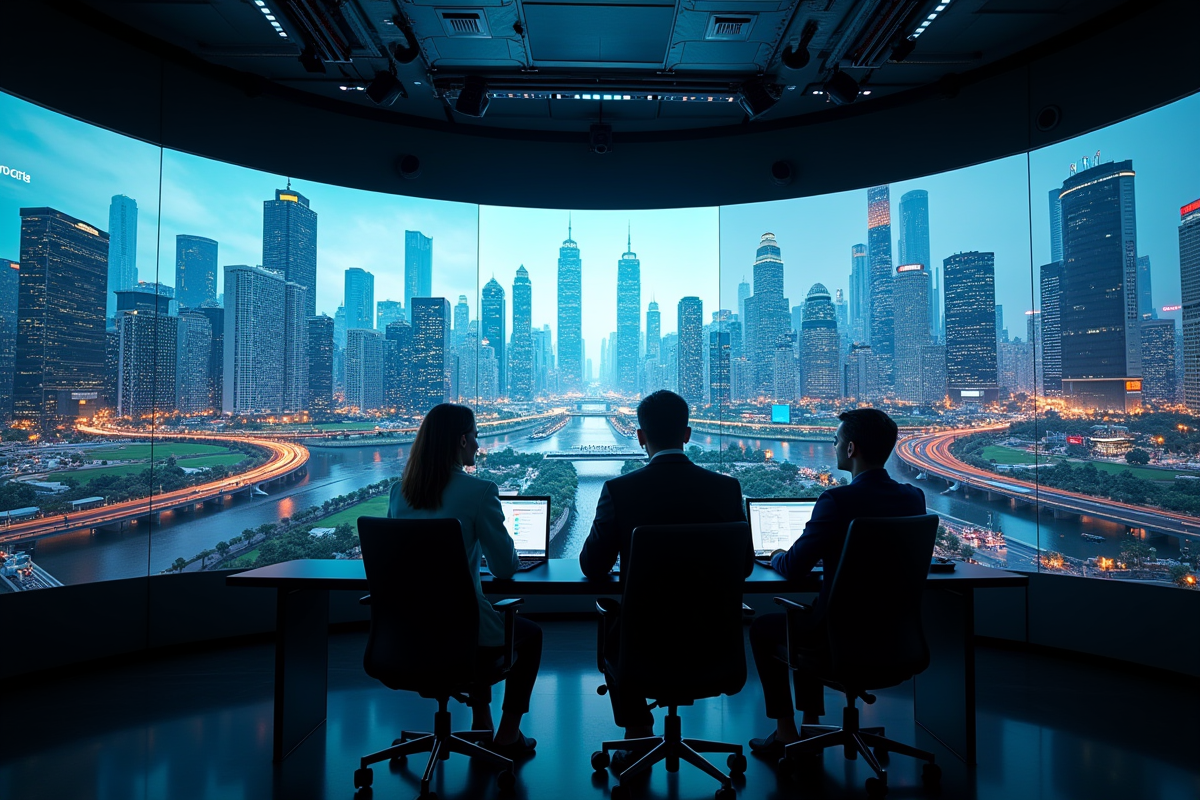
Impact of Technologies on Urban Life and Citizens
Modern applications are transforming citizens’ daily lives by providing concrete solutions to urban challenges. Digitization affects several aspects of urban life, making cities smarter and more responsive.
Citizen Participation
Citizen participation platforms allow residents to actively engage in the management of their city. Through dedicated applications, citizens can report issues such as potholes or faulty lighting, thus facilitating a quick response from municipal services.
- Improvement of communication between citizens and local authorities.
- Increased responsiveness of municipal services to reports.
Energy Efficiency
Energy management technologies optimize resource consumption. Smart buildings equipped with sensors allow for automatic regulation of lighting and heating, thus reducing energy consumption.
| Benefits | Examples |
|---|---|
| Reduction of energy costs | Installation of smart sensors in public buildings. |
| Environmental preservation | Use of renewable energies integrated into management systems. |
Quality of Life
Urban applications also aim to improve the quality of life for residents. For example, public health applications allow for real-time monitoring of air quality, alerting citizens in case of high pollution.
- Prevention of health risks through real-time alerts.
- Promotion of well-being through accessible information on public health.