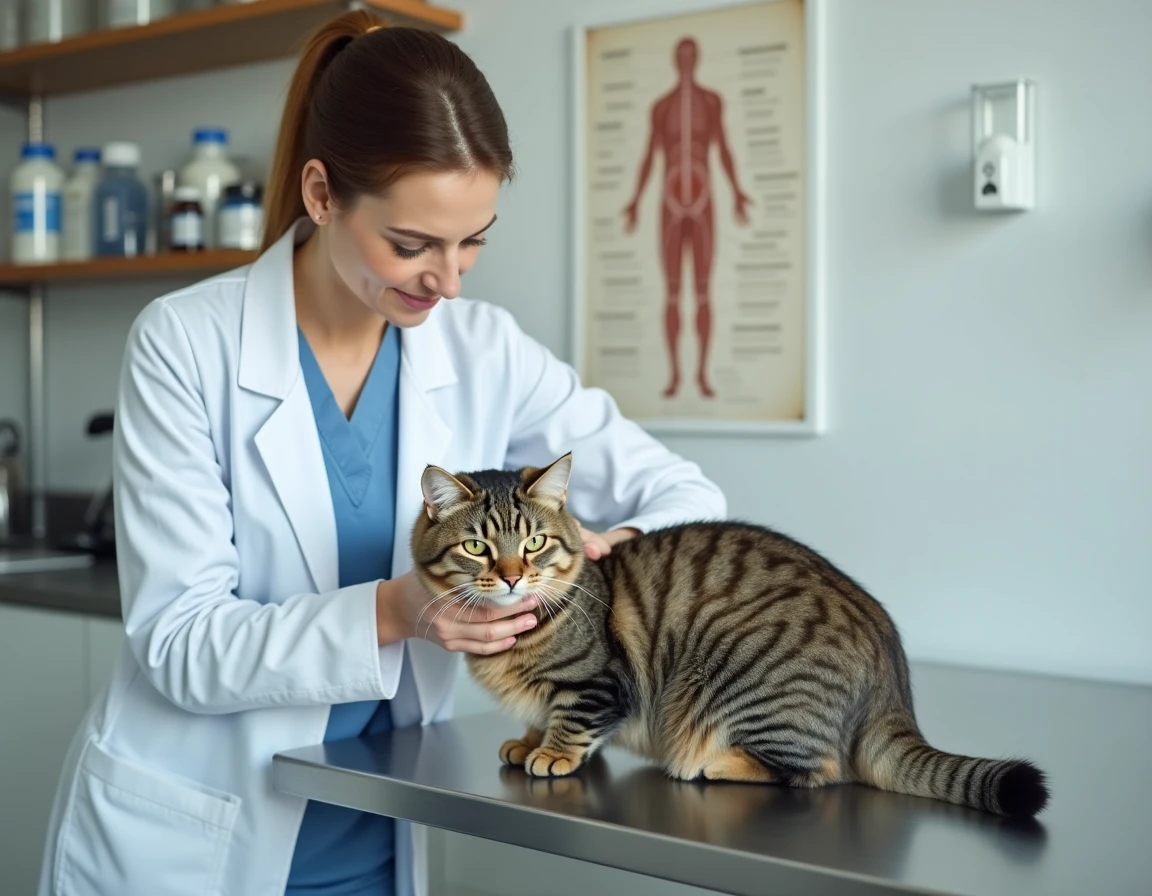
Sheba is a brand of cat food owned by the Mars Petcare group, exclusively dedicated to wet food. Its products (fillets, terrines, pouches in sauce) are made in Europe and distributed both in supermarkets and online. The question of its nutritional quality often arises among cat owners, as the brand’s “pleasure” positioning says nothing about its actual value from a veterinary perspective.
Complete food or complementary: the distinction that Sheba blurs
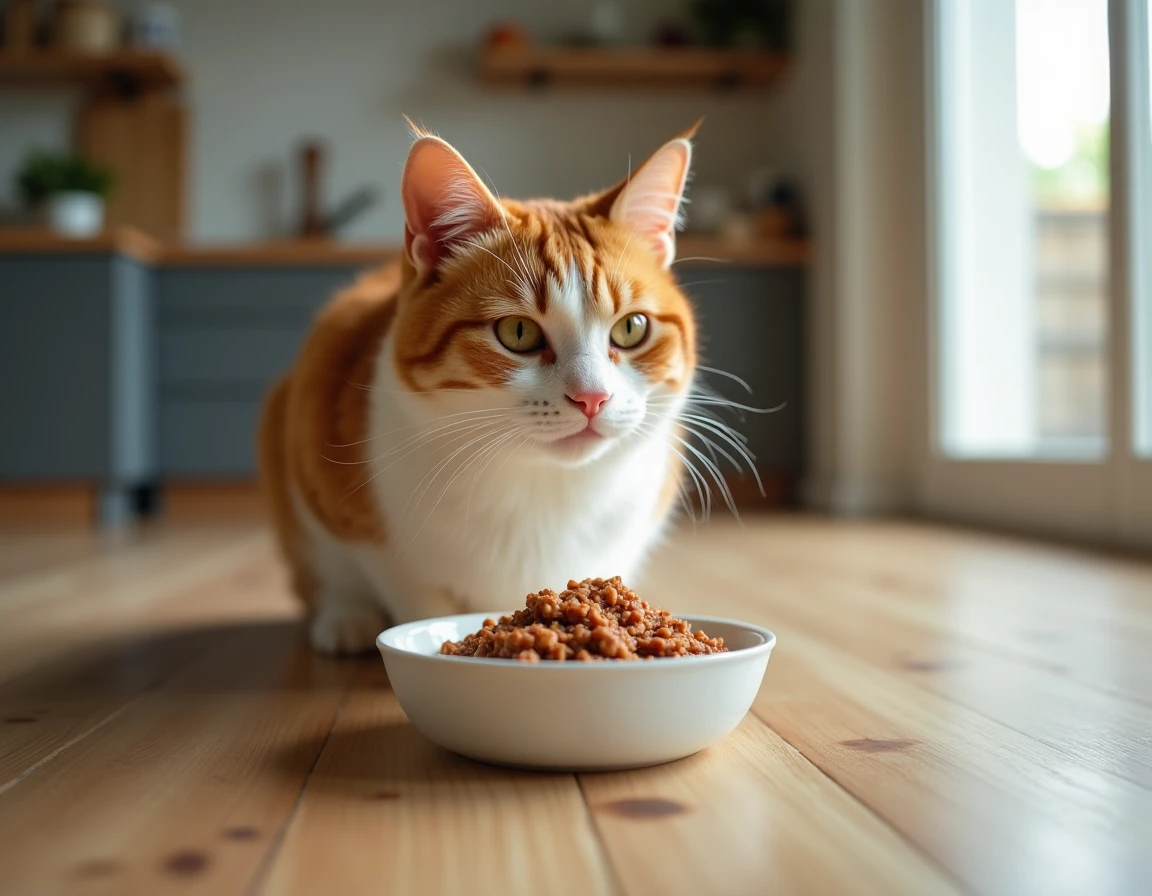
Before judging the quality of a wet food, the first thing to check on the packaging is the regulatory mention “complete food” or “complementary food.” A complete food covers all the nutritional needs of the cat on its own. A complementary food, on the other hand, is designed as an addition, similar to a treat.
However, several Sheba references, particularly the “Les Effilés” or “Les Filets” ranges, carry the mention “complementary food.” Given alone on a daily basis, these recipes do not provide all the vitamins, minerals, and amino acids that a cat needs. The problem is that many owners are unaware of this and feed their cat exclusively with these products.
A veterinary opinion on Sheba food helps to better understand which references in the range are complete food and which remain simple complements. Checking this mention on each pouch is the first step before any purchase.
Sheba composition: what the ingredient list reveals

Sheba communicates a lot about the palatability of its recipes, the varied textures, and the taste experience. Marketing highlights the “pleasure” of the cat. The ingredient list tells a different story.
On most references, the declared meat or fish content remains modest. The formulations often use generic terms like “meats and animal by-products,” without specifying the exact nature or proportion of each component. This opacity is common in large distribution, but it complicates any rigorous evaluation.
Proteins, phosphorus, and sodium: three parameters to watch
For a healthy adult cat, the crude protein level is the first quality indicator. Sheba wet foods display variable levels depending on the ranges, but the quality of the proteins matters as much as their quantity. Low-quality animal by-products (less valuable organs, carcasses) do not provide the same biological value as chicken fillet.
Two other parameters are crucial, especially for aging or renal-sensitive cats:
- The phosphorus: an excess of phosphorus accelerates the degradation of kidney function in older cats. Standard Sheba recipes are not formulated to limit this mineral.
- The sodium: a too high salt content can worsen early renal or cardiac insufficiency. Again, the “pleasure” wet foods from supermarkets are not designed with this constraint.
- The calcium/phosphorus ratio: a prolonged imbalance promotes bone and kidney disorders, and complementary foods do not guarantee an appropriate ratio.
For a senior or renal insufficient cat, veterinarians recommend complete wet foods with strict control of phosphorus and sodium, which the classic Sheba ranges do not offer.
Food neophobia: the trap of the cat that only eats Sheba
A common observation in forums and veterinary consultations is: “My cat only eats Sheba and refuses everything else.” This phenomenon has a name: food neophobia. The cat, accustomed to a single brand or texture, ends up rejecting any alternative.
Sheba relies on high palatability through aromas, sauce textures, and very fragrant fillets. The cat develops a marked preference, sometimes to the point of refusing even a medically prescribed diet by a veterinarian. Behaviorists warn against this situation, as a cat that refuses any dietary transition becomes very difficult to treat in case of kidney disease, diabetes, or allergies.
The preventive solution is to expose the cat from a young age to a rotation of brands, textures (terrine, mousse, chunks in jelly), and protein sources (poultry, fish, beef). A cat accustomed to variety will much more easily accept a dietary change if its health requires it.
Sheba as a complement to kibble: a defensible use under conditions
Using Sheba as an occasional complement to a quality dry diet (veterinary or premium kibble) remains a coherent use, provided that a few rules are followed.
The wet food provides hydration, which is beneficial for cats that drink little. Cats fed solely on kibble often have chronic dehydration, a risk factor for urinary stones. Adding a pouch of wet food a few times a week helps to increase water intake.
However, Sheba does not replace a therapeutic diet prescribed by a veterinarian. If your cat suffers from a renal or urinary condition, is overweight, or has a diagnosed allergy, the “pleasure” ranges from supermarkets are not suitable, regardless of the brand.
Three questions to ask before buying
- Does the chosen reference carry the mention “complete food” or “complementary food”?
- Does your cat also eat a balanced complete food (kibble or veterinary wet food) alongside?
- Does your cat accept other brands and textures, or does it refuse everything except Sheba?
If the answer to the third question is “it refuses everything else,” a gradual dietary transition should be considered before the situation becomes a medical hindrance.
Sheba remains an acceptable product as an occasional wet treat within a balanced mixed diet. The risk arises when it becomes the sole source of food, especially with complementary references given daily to an aging cat. Careful reading of the label and a discussion with your veterinarian usually suffice to make a decision.