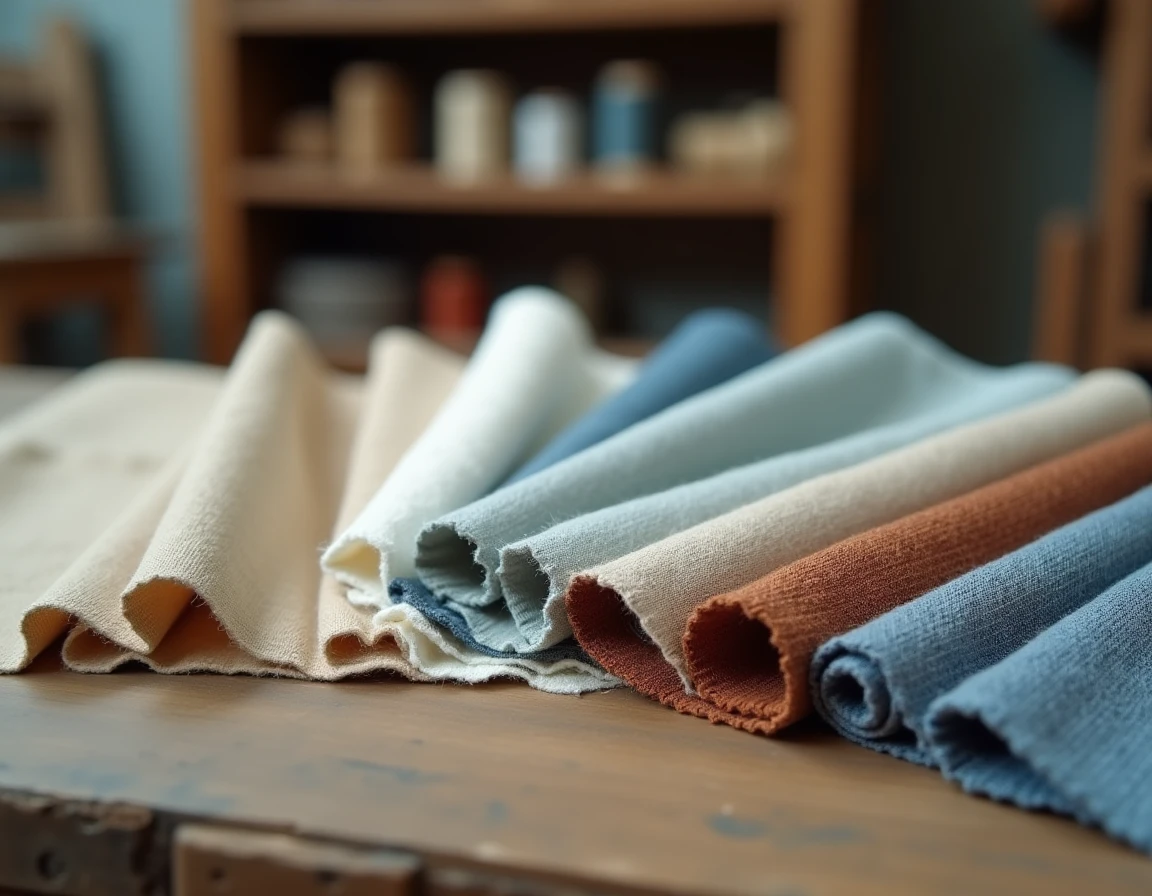
The word textile comes from the Latin textilis, the past participle of texere (to weave). In the strict sense, a textile is a flexible material made of fibers, obtained through weaving, knitting, or non-woven processes. This etymological basis masks a much broader reality: the definition of textile today encompasses any product, raw or manufactured, composed in whole or in part of textile fibers.
Technical textile: when fiber goes beyond clothing
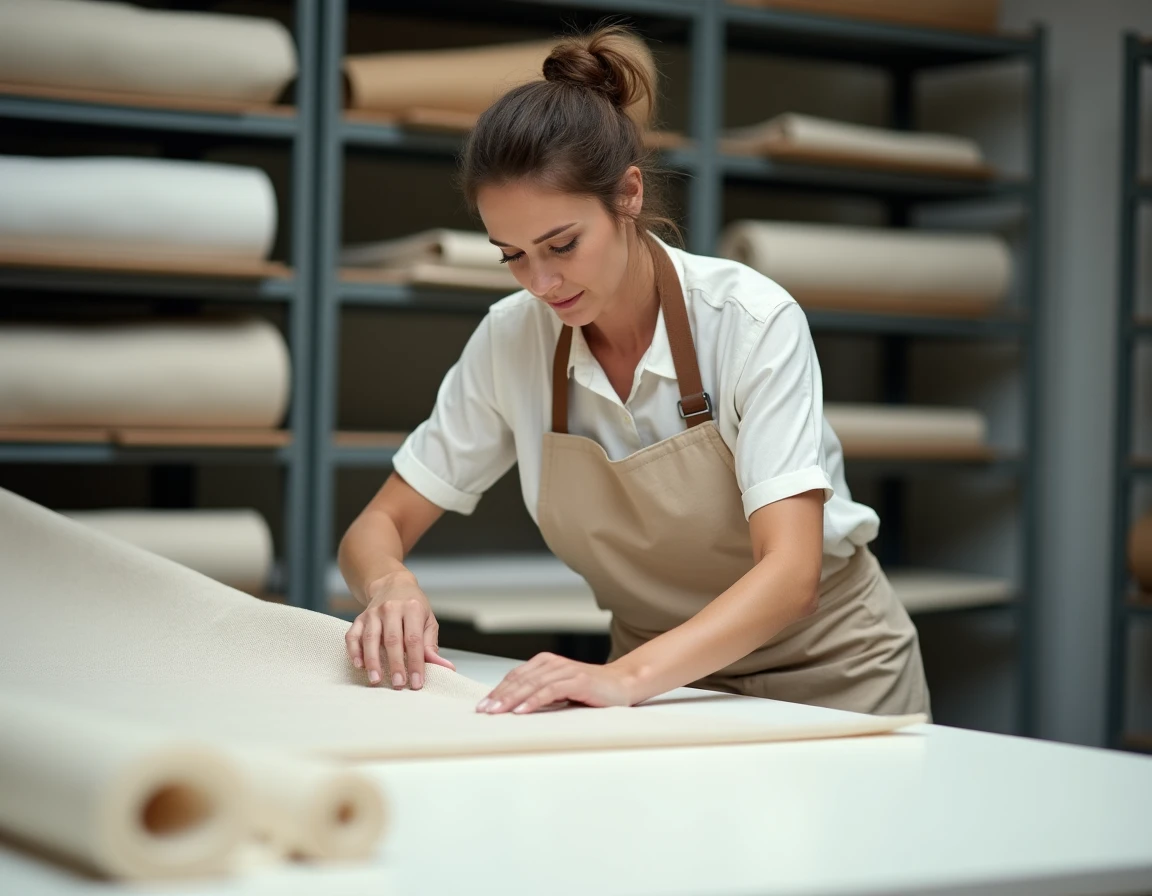
Research results on textiles almost always refer to clothing, sheets, or curtains. This truncated view overlooks an entire segment of the industry: technical and functional textiles.
Textile membranes serve as construction materials for lightweight structures. They combine waterproofing, mechanical strength, and flexibility, sometimes with insulating or translucent properties. They can be found in temporary architecture, sports equipment, medical applications, or aerospace.
This shift of textiles towards engineering changes the framework of understanding. To delve deeper into this topic, consult the definition of textile provided by WebUnited. A textile is no longer defined solely by its raw material (cotton, polyester), but by its function: filtering, protecting, reinforcing, insulating. The fiber becomes a technical component on par with a polymer or an alloy.
Textile fibers: classification and distinctive properties
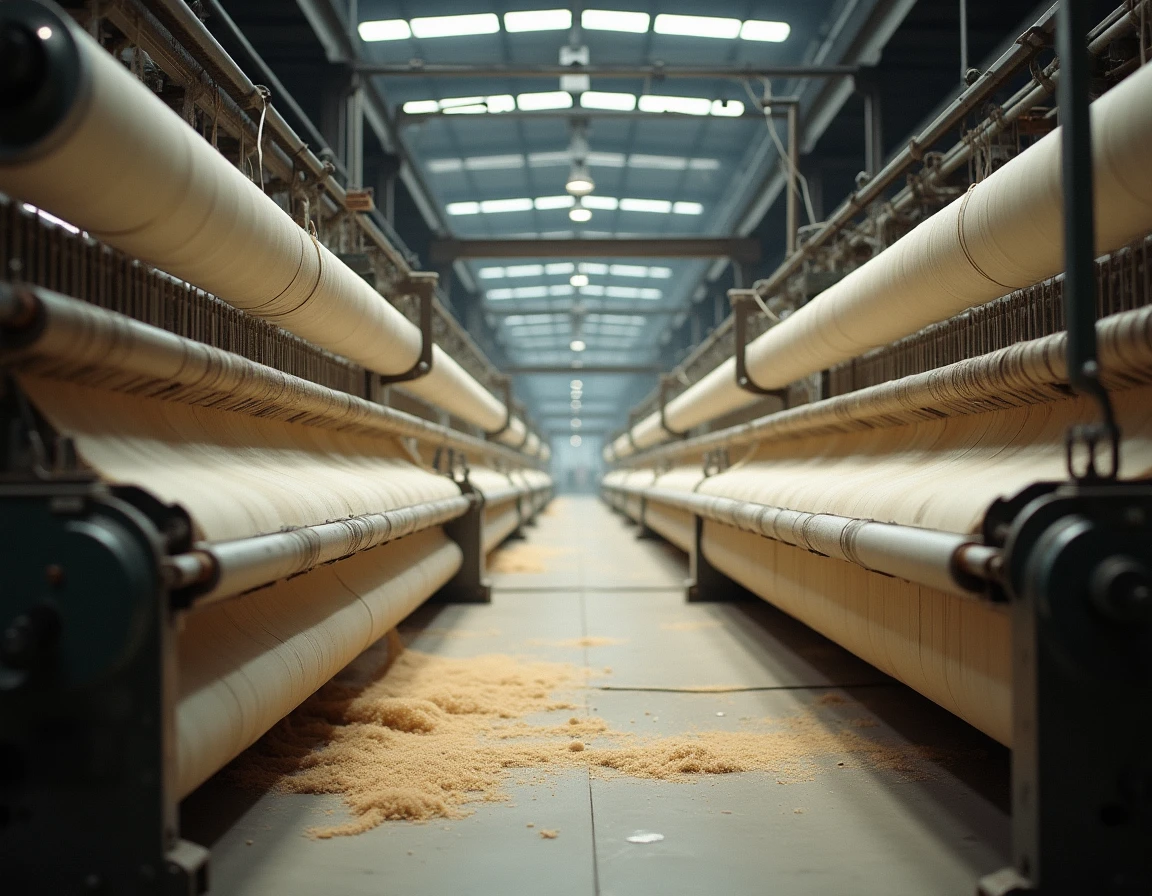
Every textile material starts from a fiber. Understanding the families of fibers allows us to predict the behavior of a fabric in terms of wear, washing, and ironing.
Natural fibers
They come directly from the living or mineral world, without heavy chemical transformation.
- Plant fibers: cotton remains the most widespread, valued for its soft touch and absorption capacity. Linen offers better strength and quick drying but wrinkles more easily.
- Animal fibers: wool insulates effectively due to the scaly structure of its fibers, which trap air. Silk, produced by the Bombyx mori silkworm, is distinguished by its luster, fineness, and natural thermal regulation.
- Mineral fibers: asbestos (now banned in most countries for health reasons) and fiberglass fall into this category, primarily used in insulation and industrial reinforcement.
Chemical fibers
These are divided into two subgroups. Artificial fibers (viscose, lyocell) are made from chemically transformed natural cellulose. They mimic the feel of natural fibers while offering a lower production cost.
Synthetic fibers (polyester, polyamide, elastane) come from petrochemistry. Their main advantage: high mechanical strength, simplified maintenance, and the possibility of integrating custom properties (elasticity, water repellency, UV resistance).
From thread to fabric: the three manufacturing processes
A fiber alone does not make a textile. It must be transformed into thread, and then the thread assembled into a textile surface. Three main families of processes coexist, each producing a material with distinct characteristics.
Weaving interlaces two series of perpendicular threads (warp and weft). The result is a stable, low-stretch fabric, whose strength depends on the chosen weave: plain, twill, or satin. The plain weave, the simplest, produces a solid and uniform material. Satin prioritizes shine at the expense of robustness.
Knitting forms interlaced loops (stitches). The stitch gives the textile a natural elasticity, without the addition of elastane. Underwear, t-shirts, and a large part of sportswear exploit this property.
Non-woven textiles assemble fibers through mechanical (needling), thermal, or chemical means, without going through the thread stage. This fast and economical process produces single-use textiles (wipes, surgical masks) or geotextiles for construction.
Properties and maintenance: what differentiates one textile from another
Two textiles made from the same fiber can behave differently depending on the manufacturing process, weight, and finishing treatments applied. The actual durability of a textile depends as much on the quality of manufacturing as on the raw material.
Some properties to evaluate before any purchase or use:
- Abrasion resistance determines the longevity of the textile under daily friction. A polyamide far surpasses a fine cotton in this criterion.
- Washing behavior varies greatly: wool shrinks in hot machine washes, while polyester withstands repeated cycles without notable deformation.
- Ironing depends on the tendency to wrinkle. Linen wrinkles easily, viscose moderately, polyester hardly at all. A cotton-polyester blend reduces ironing time without sacrificing comfort.
- Breathability (the ability to wick away moisture) enhances comfort in garments worn next to the skin. Natural fibers like cotton and linen excel in this regard, although some micro-perforated synthetics come close.
A fully synthetic textile can last longer than a poorly made natural textile. Composition alone is not enough to judge quality: weaving, thread density, and finishes matter just as much, if not more.
The boundary between clothing textiles and functional textiles continues to blur. The same fibers and manufacturing processes are used to produce a shirt, an industrial filter, or an architectural membrane. What changes is the assembly, surface treatment, and final use. Keeping this framework in mind allows for a more precise reading of a composition label than the simple distinction between cotton and polyester.