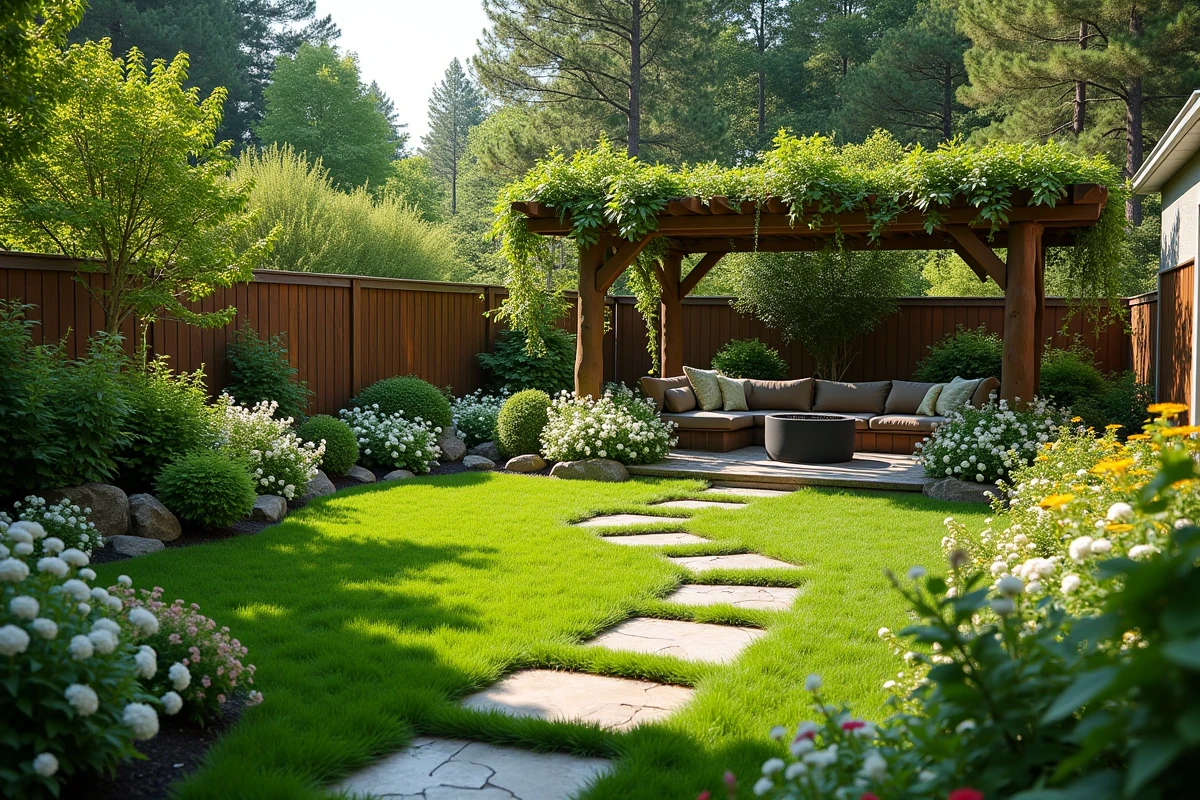
Designing a garden to make it unique is no longer just about aligning flowerbeds and mowing the lawn. Since the recent heatwaves, outdoor projects now incorporate shaded areas, water-efficient plantings, and themed micro-spaces that multiply uses within just a few square meters. Here are ten concrete ideas to transform your garden into a space that is both personal and functional.
1. Flower meadow instead of traditional lawn
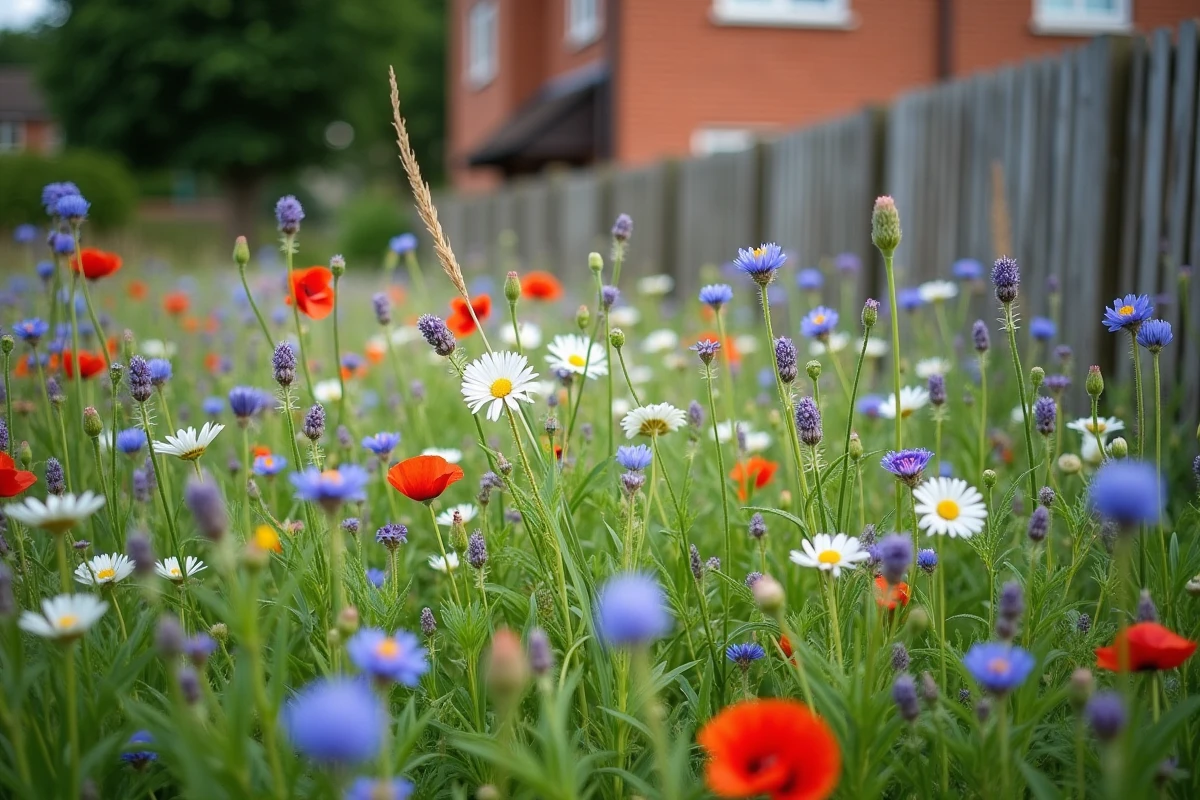
According to the National Union of Landscape Companies (Unep), the demand for gardens designed as biodiversity refuges is significantly increasing at the expense of uniform lawns. Replacing all or part of your grass with a flower meadow reduces maintenance (two mowings a year are sufficient) and attracts pollinators and beneficial insects.
Sowing should be done on bare prepared soil, ideally in the fall. Mix low grasses (fescues) and local annuals (poppies, cornflowers, daisies). The result varies from season to season, giving the garden a changing character that no trimmed flowerbed can offer.
To explore other landscaping ideas, you will find garden tips on Ta Maison Ton Jardin that complement this living-focused approach.
2. Campfire corner integrated into the landscape
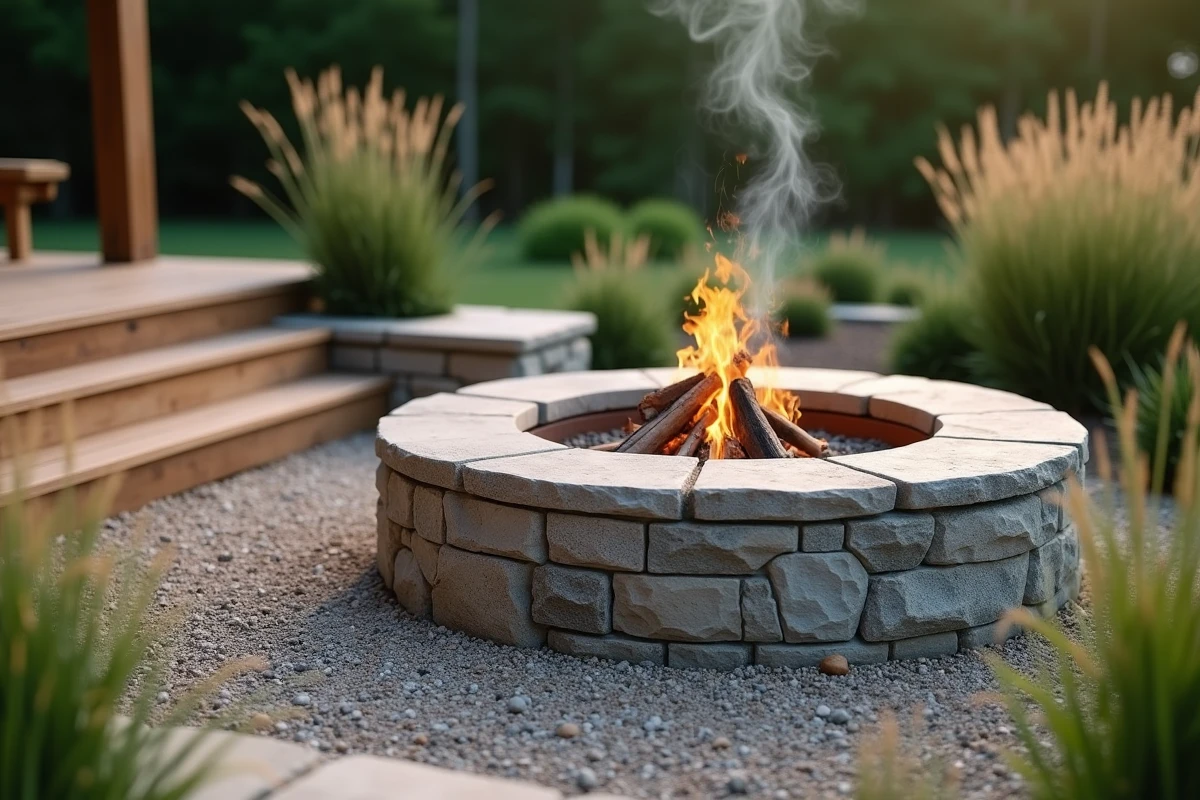
Landscape architects from the French Federation of Landscape note a strong increase in themed micro-spaces, with the campfire corner being the most requested example. A dry stone or corten steel fire pit, surrounded by logs or masonry benches, creates a gathering point usable from spring to autumn.
Be mindful of local regulations: some municipalities impose a minimum distance between an open fire and property boundaries. Check your local urban planning regulations before pouring a slab. A mobile fire pit on legs remains the most flexible option if constraints are strict.
3. Green pergola to create useful shade
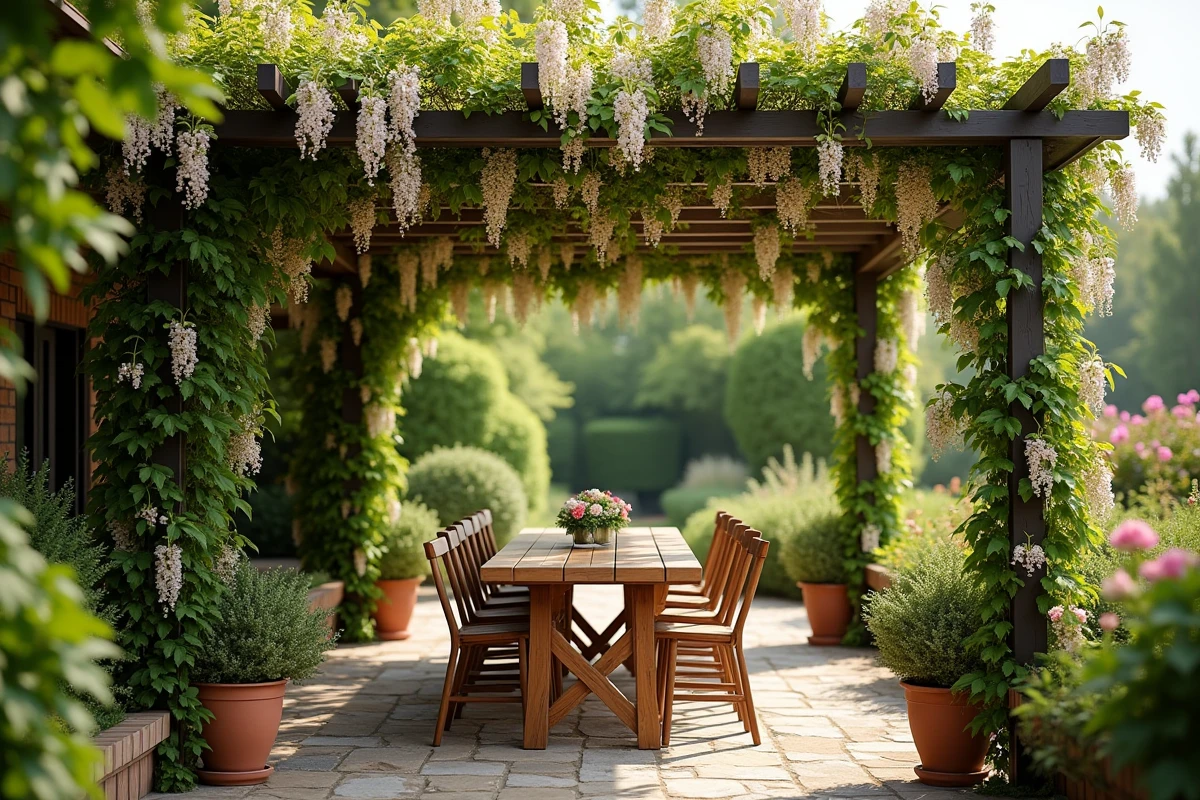
The CEREMA recommends, in its guidelines on adapting green spaces to climate change, to integrate lightweight shade-producing structures rather than relying solely on trees (which take years to grow). A wooden or metal pergola, covered with wisteria, Virginia creeper, or star jasmine, significantly lowers the perceived temperature underneath.
For a unique look, combine raw wooden posts with a colorful shade sail alongside the foliage. The fabric takes over when the plant is still young or during its winter dormancy.
4. Dry garden with mineral mulch and xerophytic plants
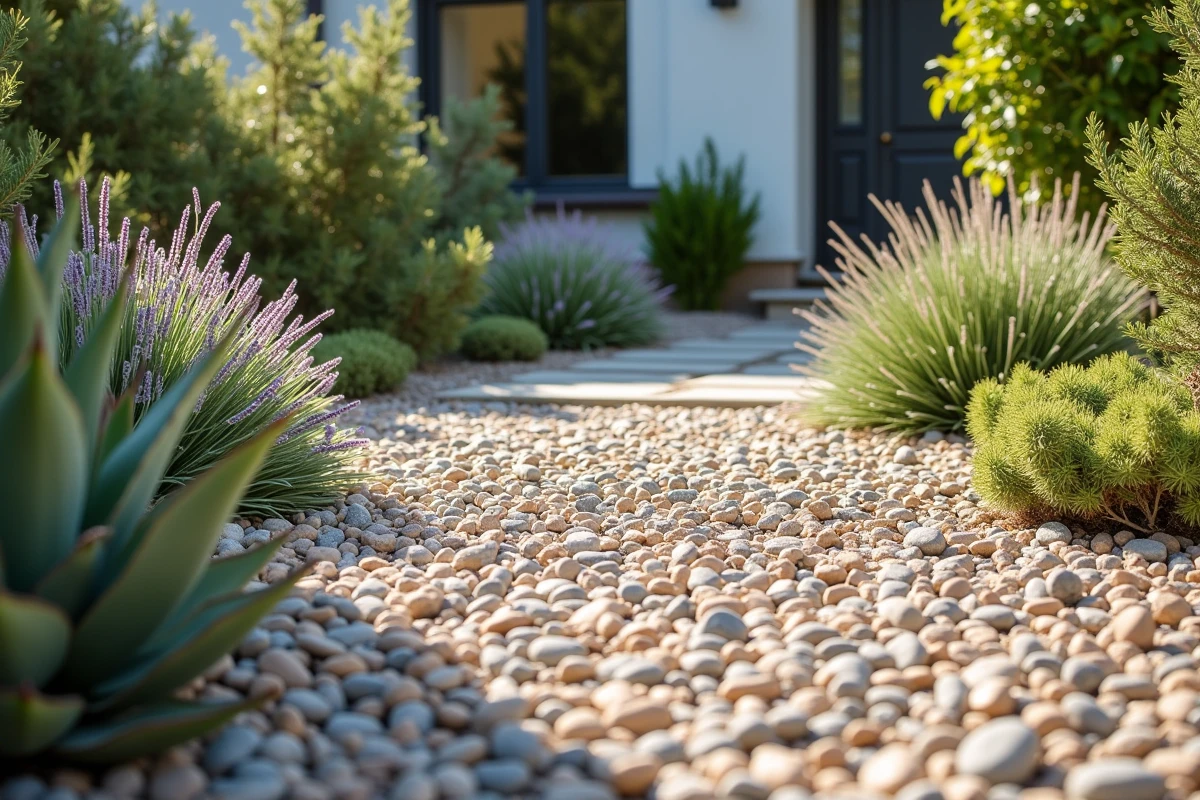
A dry garden (or gravel garden) relies on a thick mineral mulch (pebbles, gravel, crushed slate) that limits evaporation and eliminates the need for chemical weeding. Lavenders, agapanthus, shrubby sages, and ornamental grasses like Stipa tenuissima thrive there without watering once established.
This type of landscaping is particularly suitable for sloped terrain or poor soils. Feedback on the durability of mineral mulch against fallen leaves, which accumulate among the gravel in autumn, varies: a blower or regular raking remains necessary.
5. Decorative insect hotel on fence facade
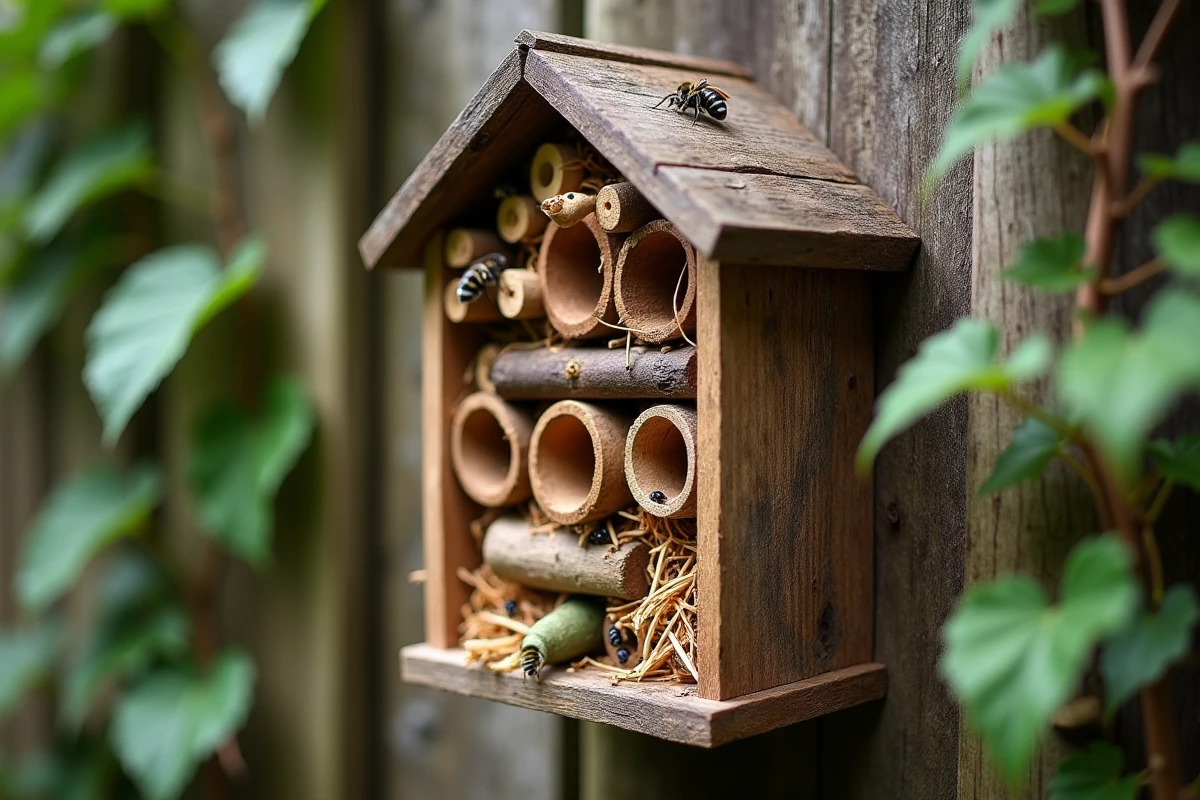
Unep notes that wildlife-centered landscaping is gaining ground. An insect hotel attached to a wooden fence or integrated into a low wall serves a dual purpose: a refuge for solitary bees, ladybugs, and lacewings, and an original visual element.
Use raw materials (drilled logs, bamboo stalks, pine cones, hollow bricks). Orient the south or southeast facade, sheltered from the prevailing wind. Avoid overly compact commercial models whose cavities are rarely suitable for local species.
6. Outdoor shower or Nordic bath as a wellness space
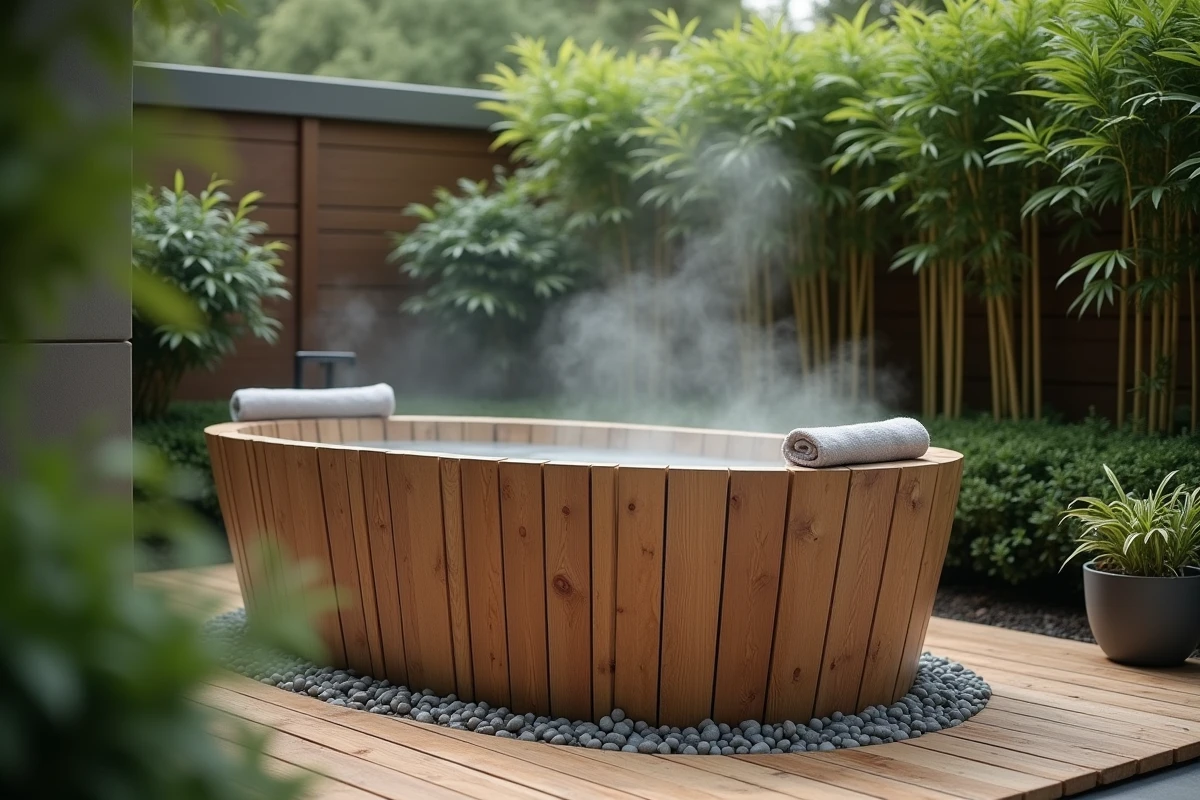
Among the themed micro-spaces on the rise in urban gardens, the outdoor wellness corner stands out. A solar shower backed by a green screen or a wood-fired Nordic bath transforms an unused nook into a relaxation area.
Water connection is the main technical aspect. For a shower, a simple garden hose and a solar showerhead are sufficient. The Nordic bath requires drainage to a soakaway or sewage system, depending on the volume.
7. Japanese stepping stone path with ground cover between slabs
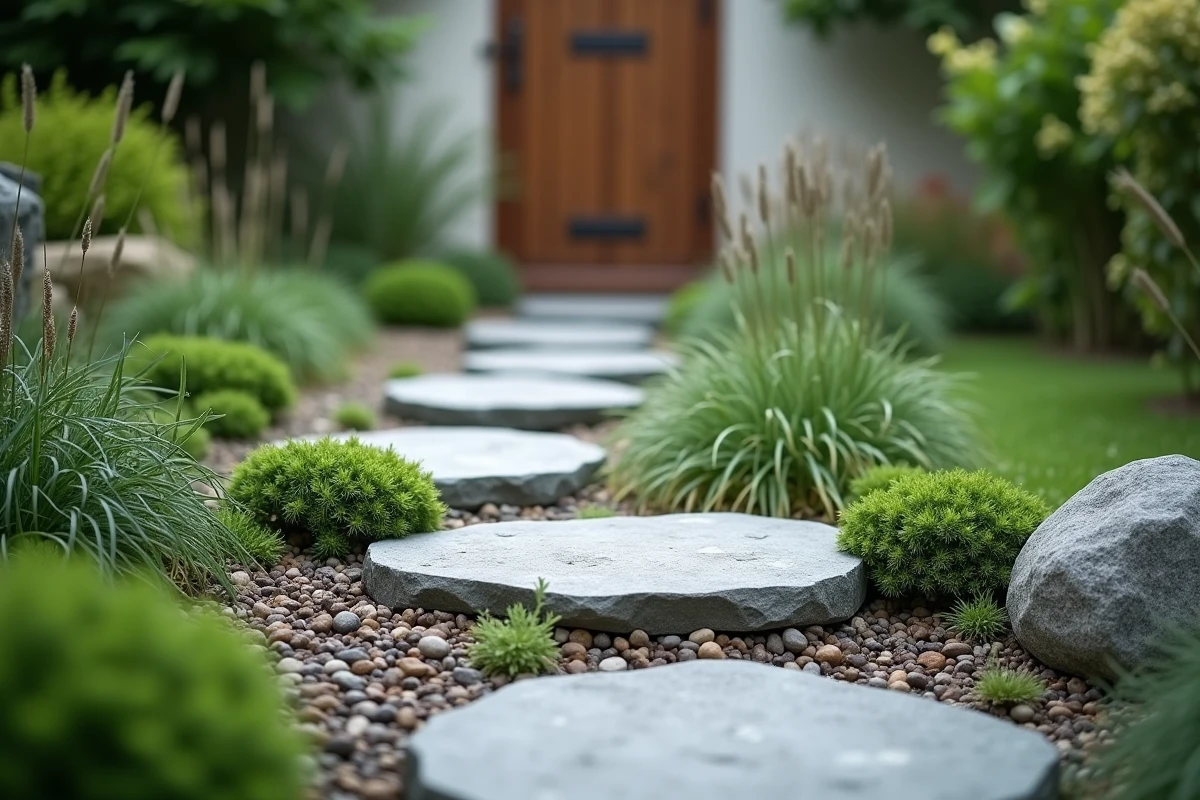
Japanese stepping stones structure circulation without creating a continuous impermeable surface. Laid on a bed of sand, spaced at a natural step (about a foot length), they guide the eye and create perspective even in a small space.
Plant creeping thyme, dichondra, or sagina between the slabs: these ground covers withstand light foot traffic and release a fragrance when stepped on. The choice of material (natural stone, tinted concrete, stabilized wood) influences the style of the entire garden.
8. Edible plant screen as a fence
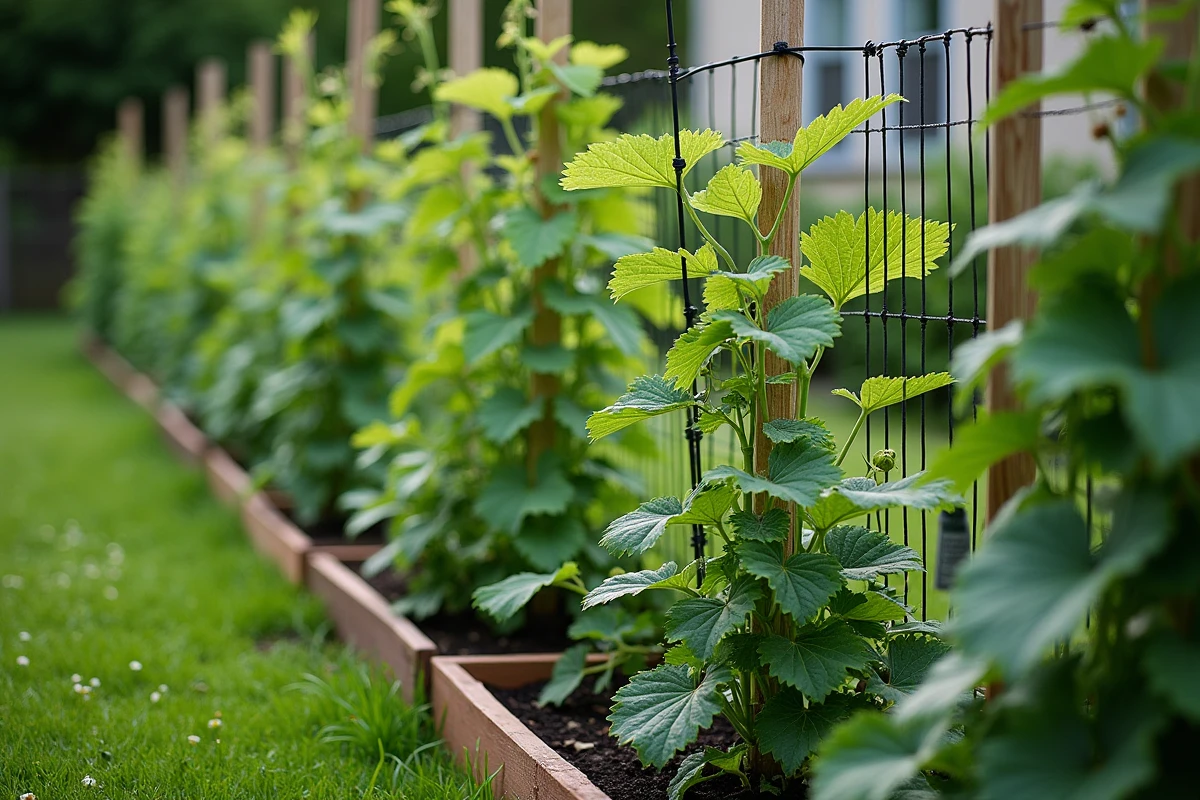
Replacing a hedge of thujas with a screen of small fruits (raspberries, currants, trained blackberries) offers a triple advantage: privacy, summer harvest, and flowering for pollinators. Training on wires stretched between wooden posts gives a neat appearance while remaining productive.
Pruning is done at the end of winter for remontant varieties. Expect two to three seasons before achieving a dense screen. This solution is suitable for shared fences where height regulations limit tree options.
9. Wall or fence made of reclaimed materials
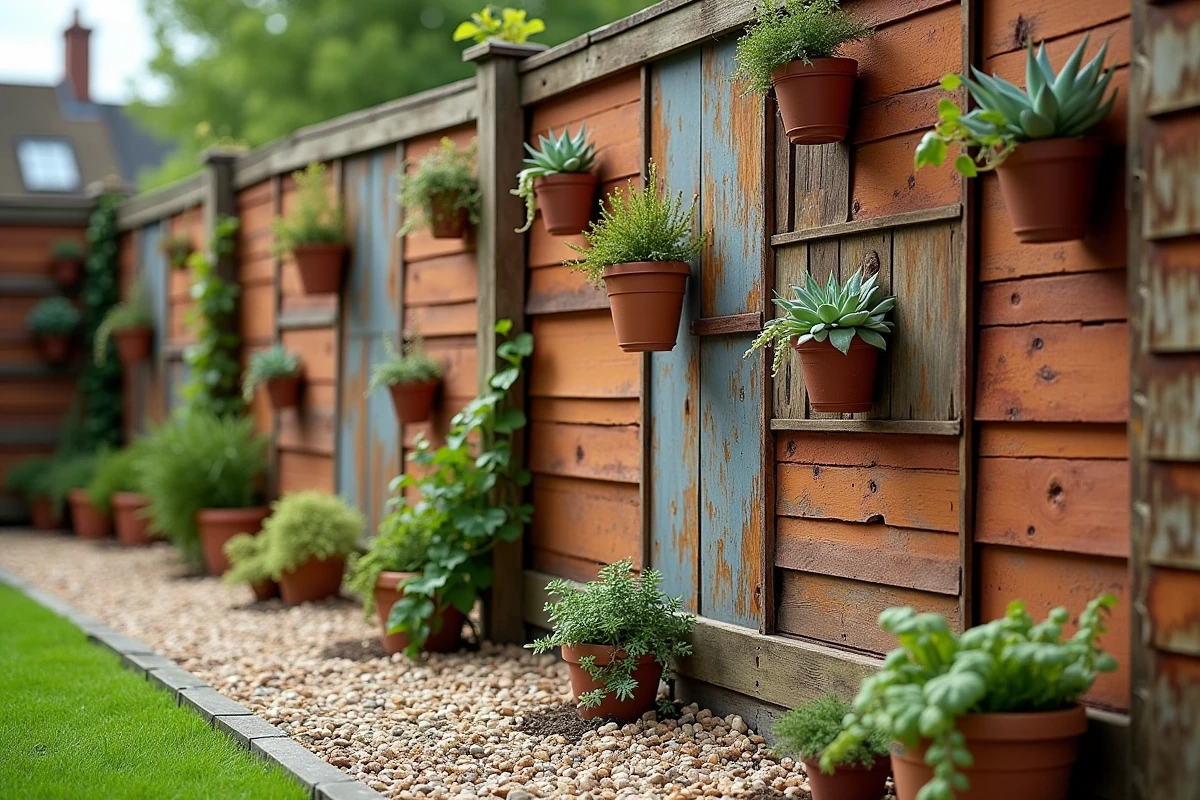
DIY applied to garden separations allows for creating unique landscaping at a lower cost. Disassembled pallets, reclaimed shutters, old doors assembled into panels: these materials give character to an otherwise mundane property boundary.
- Pallets must bear the HT marking (heat treatment) and not MB (methyl bromide, toxic), to ensure safe outdoor use.
- A treatment with linseed oil protects the wood without chemicals and is renewed every two years.
- A colored stain (blue, sage green, anthracite gray) transforms a raw pallet into a fully-fledged decorative element.
10. Outdoor movie screening on a white wall
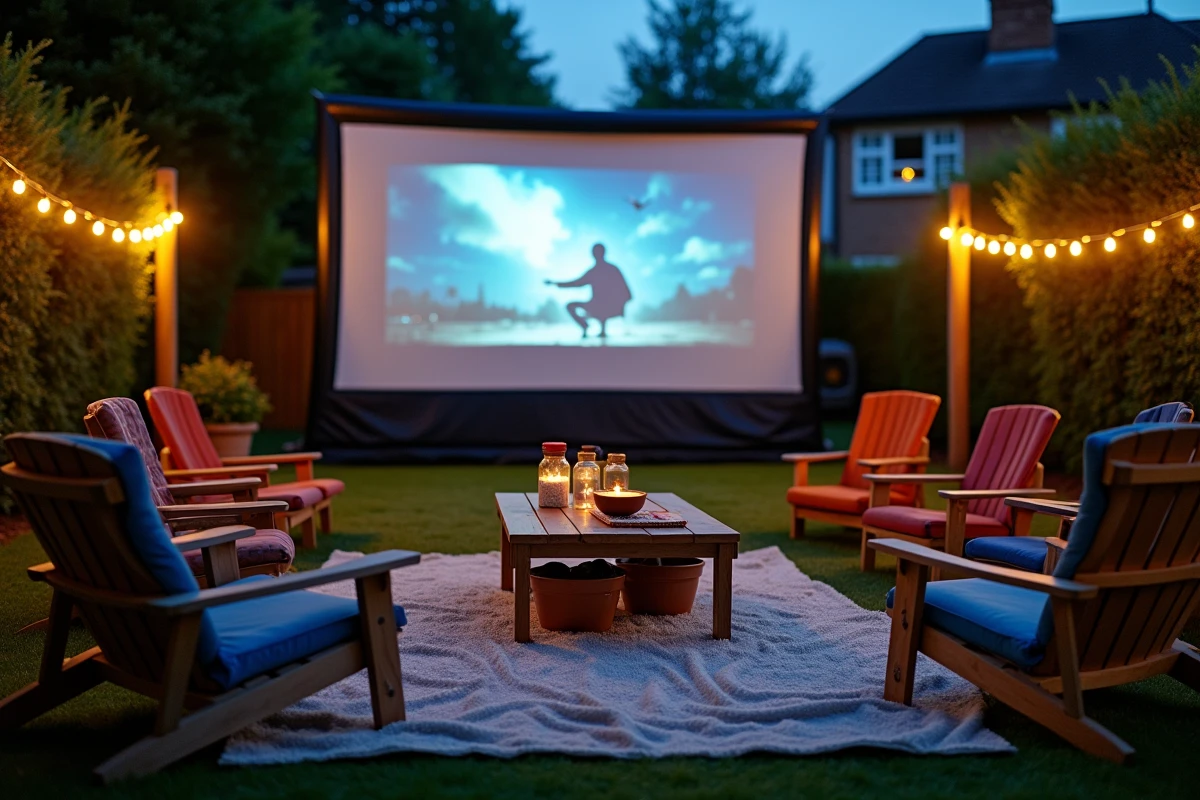
This themed micro-space, cited by landscapers as a growing demand, transforms the garden into a temporary cinema as night falls. A white sheet stretched between two posts or a smooth facade wall suffices as a screen. A portable projector and a Bluetooth speaker complete the setup.
Provide low seating (floor cushions, loungers, waterproof poufs) and a string of lights around the perimeter to define the area without glare. Storage fits in a garden chest, freeing up space during the day.
Each of these ideas for landscaping your garden can work alone or combine with others depending on the available space and the orientation of the land. The common thread remains the same: a unique garden is born from deliberate choices about uses, materials, and the relationship to living things, not from an accumulation of decorative elements.