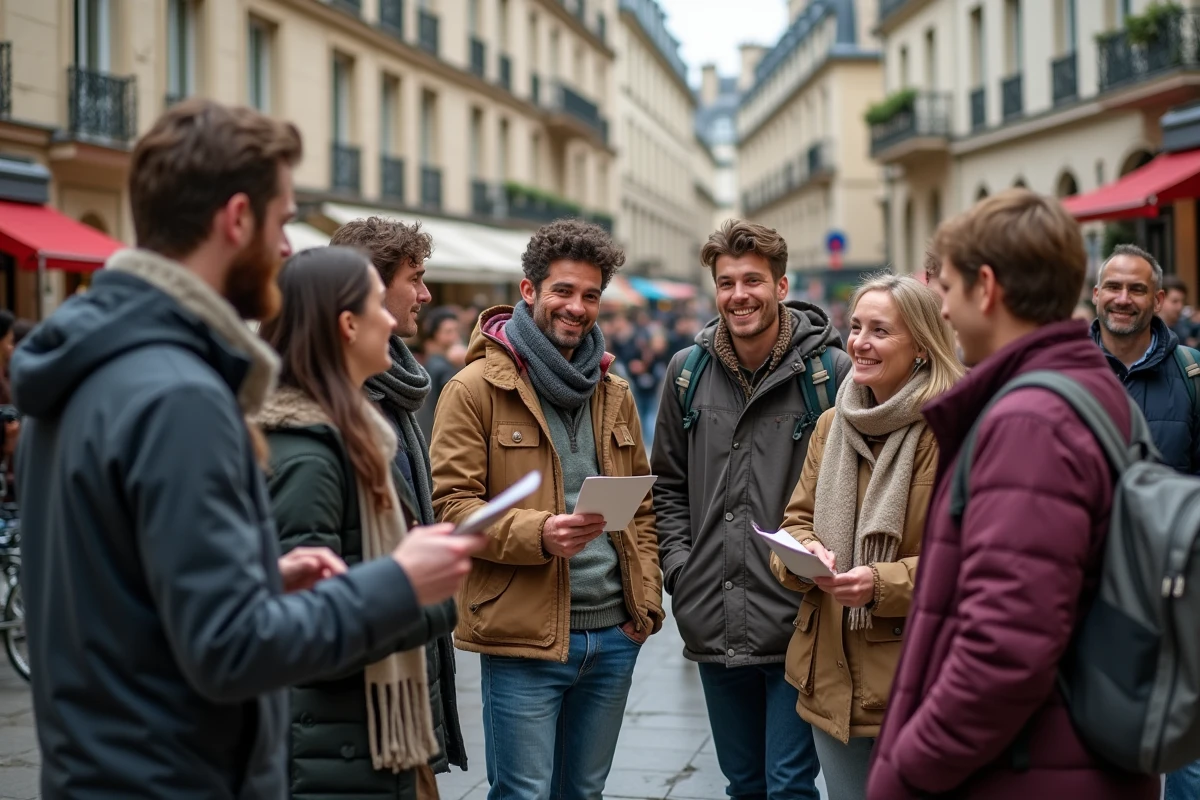
1.5 million active associations. 22 million volunteers. These figures do not come from a dusty report: they outline the real landscape of engagement in France. Yet, behind this collective vitality, legislation remains a blurry territory for many; the rules governing associative life often circulate behind the scenes, far from public debate, even though they condition all action on the ground. Administrative complexity, fragile funding: every citizen initiative must navigate these fine lines.
Citizen initiatives, often carried out away from official spotlights, are gradually changing the game in cities, neighborhoods, and rural areas. They challenge the State, shake up elected officials, and lay down markers on social, ecological, or democratic urgencies. In a climate where public debate tends to evaporate as quickly as it appears, their influence depends on relentless mobilization and quick access to accurate information.
Why citizen and associative movements are gaining momentum in France today
The associative world is no longer content to fill the boxes of living together: it asserts itself as a driving force of a civil society in full transformation. In the face of distrust towards institutions, in the face of democratic fatigue, new forms of citizen participation are emerging in France. The local ground is igniting, collectives are multiplying, and associative action is rooted in the desire to have a tangible impact on decisions and to address the shortcomings of public services.
Social media plays a resonant role, accelerating the dissemination of ideas and cohesion around shared causes: climate urgency, social rights, renewed democracy. This effervescence is not just a passing trend. It reflects the desire for a participatory democracy where citizens no longer relinquish their voice: they give it, defend it, and embody it right down to decision-making and action.
Here’s how these dynamics are expressed on the ground:
- Direct engagement: citizen groups are stepping into the public debate, refusing to fade behind elected officials and asserting their legitimacy to voice collective concerns.
- Challenging public authorities: pressure is organized, often supported by platforms like gazettedebout.org, to compel institutions to hear and address demands.
- Renewal of national campaigns: new projects are emerging to encourage mobilization across the territory and circulate information, from local to national.
This collective bubbling shapes a scene where every initiative, every association, is part of a movement of citizen reconquest. The associative world is evolving, and with it, the ambition to build a more vibrant, accessible, and shared democracy.
What social initiatives are shifting the lines? Spotlight on inspiring and recent actions
Across France, social initiatives are being invented and taking root in reality. In Lille, for example, a structure led by young people from popular neighborhoods is tackling the issue of social diversity in municipal councils head-on. Their fight: to ensure that every resident, regardless of nationality, can make their voice heard on issues that concern them. In the realm of voting rights in municipal elections, collectives of engaged women and men are advocating for broader participation, making the debate on the legitimacy of voting, in both the first and second rounds, more vibrant than ever.
The ecological and social transition is becoming the common thread for a new generation of mobilized citizens. In the southwest, residents are organizing to transform waste management, involving schools, businesses, and local authorities. They do not just alert: they act, set up shared gardens, create service exchange spaces, and shake up routines with concrete and collective solutions.
Here are some notable examples of this collective dynamic:
- Mobilization of women: campaigns for parity in local elections, mentoring to promote access to political responsibilities.
- Young actors: organizing workshops around voting, assisting with voter registration, and intervening in high schools and universities.
- Ecological commons: collaborative projects for the preservation of natural spaces, involving citizens, elected officials, and associative structures.
On the European level, several French municipalities are now drawing inspiration from Italy or Spain to strengthen integration and citizen participation, refusing to stick to the traditional boundaries of citizenship.
Debate, get involved, relay: how everyone can become an actor of change
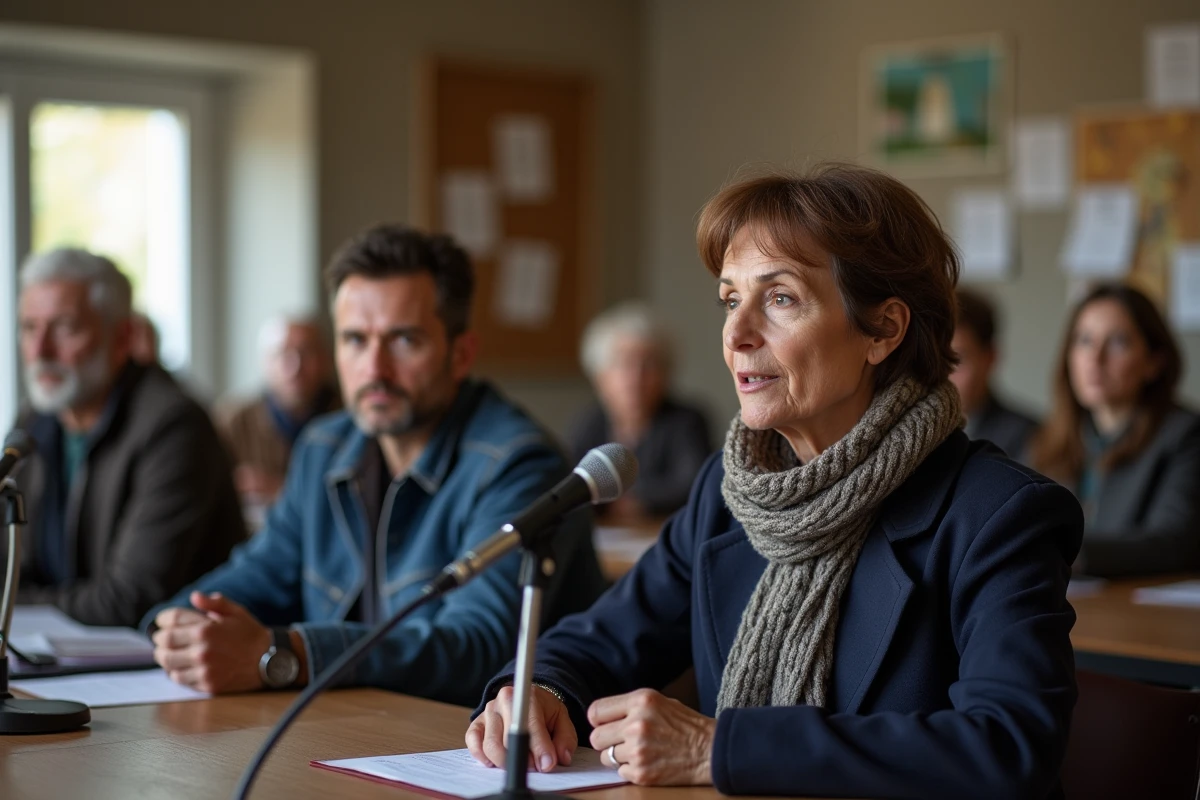
In cities and villages alike, citizen mobilization finds a thousand ways to express itself. Citizens are no longer content to wait: they question, they challenge, they demand to be heard. Public debates, driven by the national commission for public debate, open a space where everyone can intervene, submit their ideas, and confront their positions. This engagement also manifests in volunteering, civic service, or the process of registering on electoral rolls.
On the ground, young people are forming collectives for ecological transition: they challenge elected officials, organize collections, and launch practical workshops. Others are investing in the web to share resources, document progress, or denounce blockages. Local solidarities are also mobilizing to defend public services or support major social reforms, such as pension reform.
To engage concretely, several paths are available to everyone:
- Start a debate in your community to promote citizen participation.
- Support a campaign for voter registration among your friends or neighbors.
- Get involved in a collective action for social justice or ecology.
The associative life in France, known to be among the most dynamic in Europe, offers everyone a space to act according to their convictions. Petitions, grassroots actions, dialogue, or more radical mobilization: every commitment counts. What we decide today, collectively, is already shaping the future of democracy; a democracy that no longer waits to be decreed, but is invented daily, with every voice that rises.