Maintaining a vehicle is no longer just about checking the engine oil and tire pressure. With the rise of electronic failures, the shift to digital maintenance logs, and evolving European regulations, the areas to monitor have changed in nature. Understanding where current failures are concentrated allows for a decision between what requires a garage and what can be managed independently.
Electronic Failures vs. Mechanical Failures: What Has Changed in Recent Vehicles
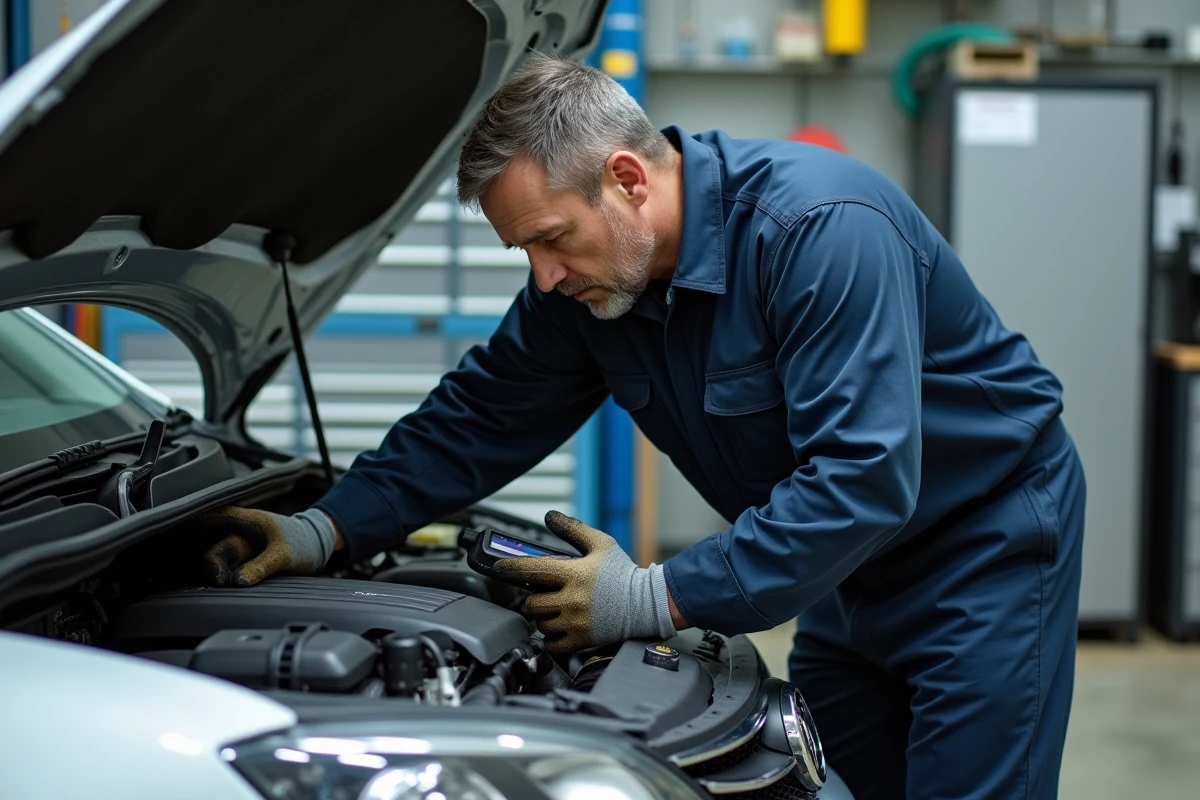
French assistance networks are observing a steady increase in electronic failures (sensors, controllers, ADAS faults) compared to traditional mechanical failures. In a vehicle less than ten years old, a malfunction of a sensor or controller is now more common than a broken timing belt or a coolant leak.
This shift has a direct consequence on repair costs. A faulty ADAS sensor requires specific recalibration, sometimes costing as much as replacing the part itself. Electronic failures represent the primary source of unexpected expenses for recent vehicles.
| Type of Failure | Relative Frequency (Recent Vehicles) | Diagnostic Complexity | Self-Repair Capability |
|---|---|---|---|
| Sensors / Controllers / ADAS | Regularly Increasing | High (diagnostic tool required) | Very Limited |
| Timing Belt | Stable | Medium | Possible with experience |
| Braking System (Pads, Discs) | Stable | Low | Accessible |
| Battery / Alternator | Slightly Increasing (hybrid vehicles) | Medium | Battery replacement accessible |
| Tires (wear, puncture) | Stable | Low | Accessible |
This table highlights a often overlooked point: the ability to diagnose oneself decreases as onboard electronics advance. Owning a basic diagnostic tool remains useful, but it does not cover the proprietary protocols of each manufacturer.
To keep up with the latest common failures and locate a professional suited to your vehicle type, platforms like Signal Auto centralize alerts and feedback by model.
Digital Maintenance Log: Traceability and Resale Value of the Vehicle
Since 2023, several major manufacturers (Volkswagen Group, Stellantis, BMW) have transitioned to fully digital maintenance logs, accessible via the manufacturer’s servers or proprietary applications. The paper log has not disappeared, but it is gradually losing its evidential value.
At the time of technical inspection or resale, some professionals now check the maintenance history directly online. A vehicle whose interventions are not recorded in the manufacturer’s digital system is penalized, even if the owner keeps their paper invoices.
What the Digital Log Changes Practically
- Each operation performed in an authorized network is timestamped and geolocated on the manufacturer’s servers, making any mileage tampering more difficult at resale.
- A maintenance performed in an independent garage may not appear in the digital log if the professional does not have access to the manufacturer’s portal, creating a blind spot for the future buyer.
- The French Federation of Bodywork has emphasized since 2023 that digital traceability is becoming a major trust criterion for used vehicle transactions.
If you have your vehicle maintained outside the manufacturer’s network, always ask the garage to provide a detailed invoice mentioning the mileage, and check if your manufacturer offers third-party access to record interventions.
Access to Technical Data: What European Law Allows for Repair
Regulation (EU) 2018/858 requires manufacturers to provide independent garages access to the technical information necessary for diagnosis and repair. This text, which came into effect in 2018, aims to ensure that independent repairers can operate under the same conditions as manufacturer networks.
Meanwhile, the European Parliament approved new rules on the right to repair in April 2024. Although this text primarily targets household appliances, it strengthens the position of independent garages against manufacturer networks for automotive diagnostics.
Independent Garage or Manufacturer Network: The Real Differences
The price of a standard service varies significantly between a manufacturer network and an independent garage. However, the gap narrows considerably when an intervention requires proprietary diagnostic tools or a software update that only the authorized network can perform.
The choice of garage depends on the type of intervention, not a general preference. For a brake pad replacement or an oil change, an independent often offers a better value for money. For an ADAS camera recalibration or a controller reprogramming, the manufacturer network may sometimes be the only reliable option.
Technical Inspection and Points of Caution Before the Service
The technical inspection covers more than 130 verification points. Some common defects can be anticipated during a standard service, which avoids a costly re-inspection in terms of time and money.
- Lighting remains the primary reason for re-inspection in France. Checking the operation of each light (low beam, high beam, stop, turn signals, fog lights) takes a few minutes and requires no tools.
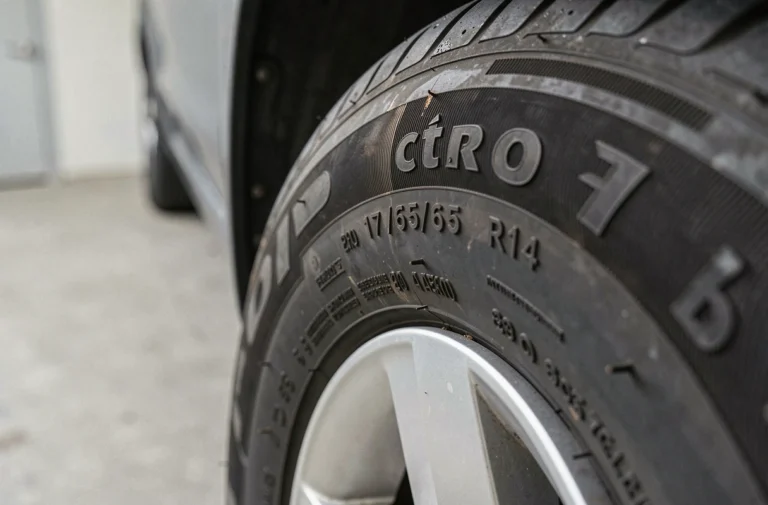
- The condition of the tires (tread depth, uneven wear, damaged sidewalls) can be visually checked. A worn tire below the legal threshold results in an automatic failure at the technical inspection.
- Fluid leaks under the vehicle (oil, brake fluid, coolant) constitute a major failure reason. A simple glance under the car after prolonged parking can spot an emerging problem.
Planning a service two to three weeks before the date of the technical inspection allows time to correct a defect without rush. Garages are often overloaded in the days leading up to the deadline, which reduces the margin for maneuver in case a part needs to be ordered.
The boundary between routine maintenance and specialized repair shifts each year towards electronics. Keeping a digital record of each intervention, choosing the right type of garage according to the nature of the problem, and anticipating the technical inspection remain the three decisions that protect both the safety and resale value of a vehicle.